Middle Ages
c. 500–1500: serfs, knights, monks, plague and pilgrimage
The Middle Ages in Europe stretch roughly from the fall of the Western Roman Empire around 500 to about 1500. It was not one unchanging dark age: the period saw new towns and universities, Gothic cathedrals, long-distance trade, and also wars, crusades and repeated famines.
Most people worked the land. Many were serfs, bound to a lord's estate and owing him labour or produce, while a small elite of nobles and clergy held most of the power. Towns grew from the 11th century onward and created new roles: merchants, craftsmen organised in guilds, innkeepers and minstrels.
The Black Death of 1347–1351 killed an estimated third to half of Europe's population. Its consequences, from labour shortages to new attitudes to death and faith, reshaped the late medieval world that many of these lives belong to.
Described lives
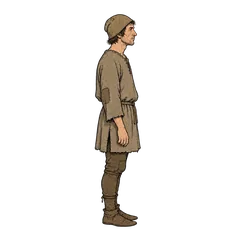 Medieval serf
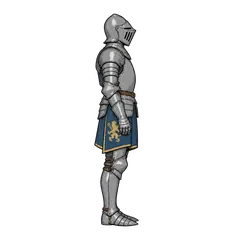 Medieval knight
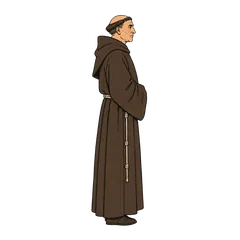 Medieval monk
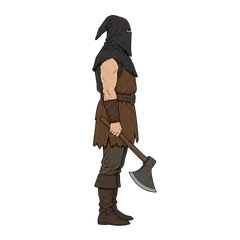 Medieval executioner
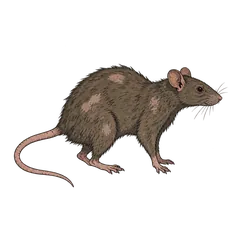 Plague rat
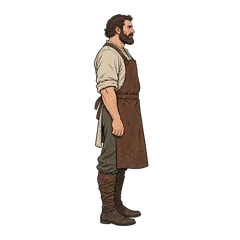 Medieval blacksmith
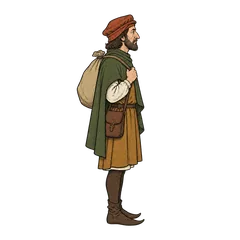 Medieval merchant
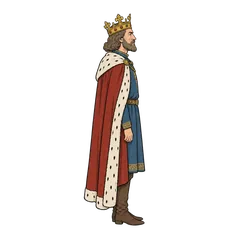 Medieval king
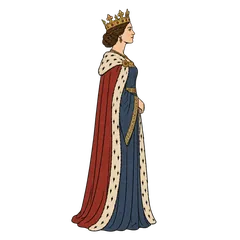 Medieval queen
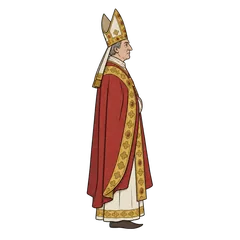 Medieval bishop
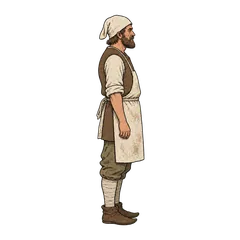 Medieval miller
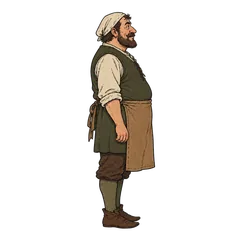 Medieval innkeeper
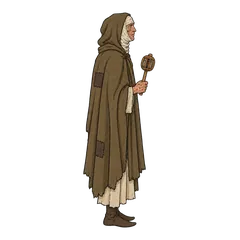 Medieval leper
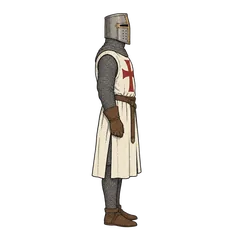 Crusader
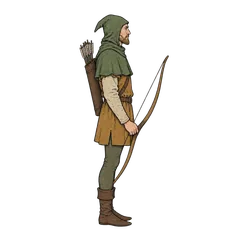 Medieval archer
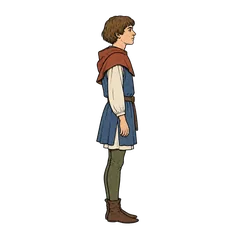 Medieval squire
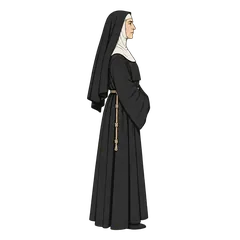 Medieval nun
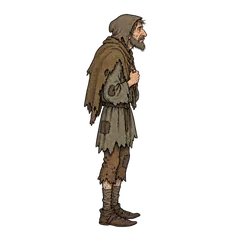 Medieval beggar
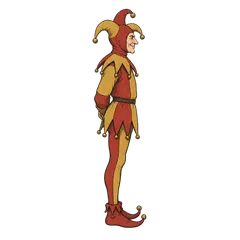 Medieval jester
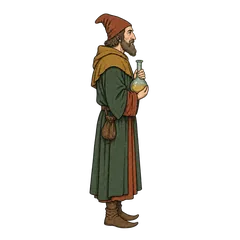 Medieval alchemist
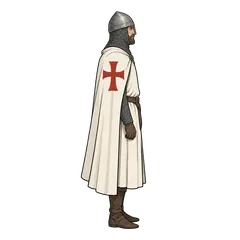 Knights Templar brother
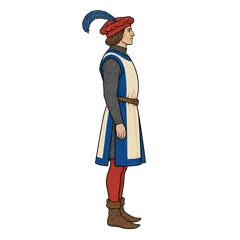 Medieval herald
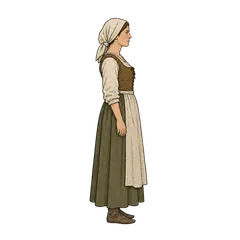 Medieval peasant woman
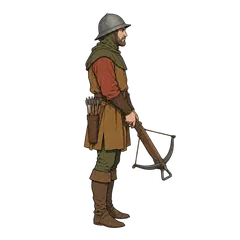 Medieval crossbowman
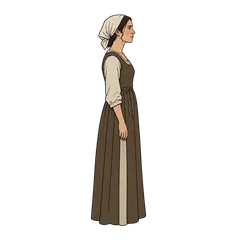 Woman accused of witchcraft
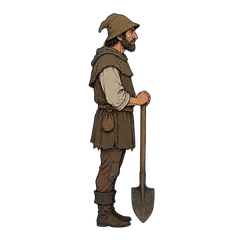 Medieval gravedigger
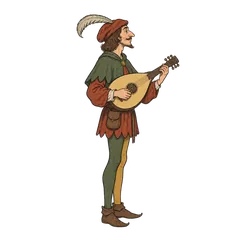 Medieval minstrel