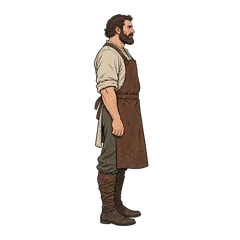
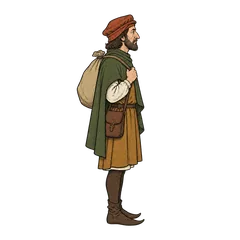
Medieval monk
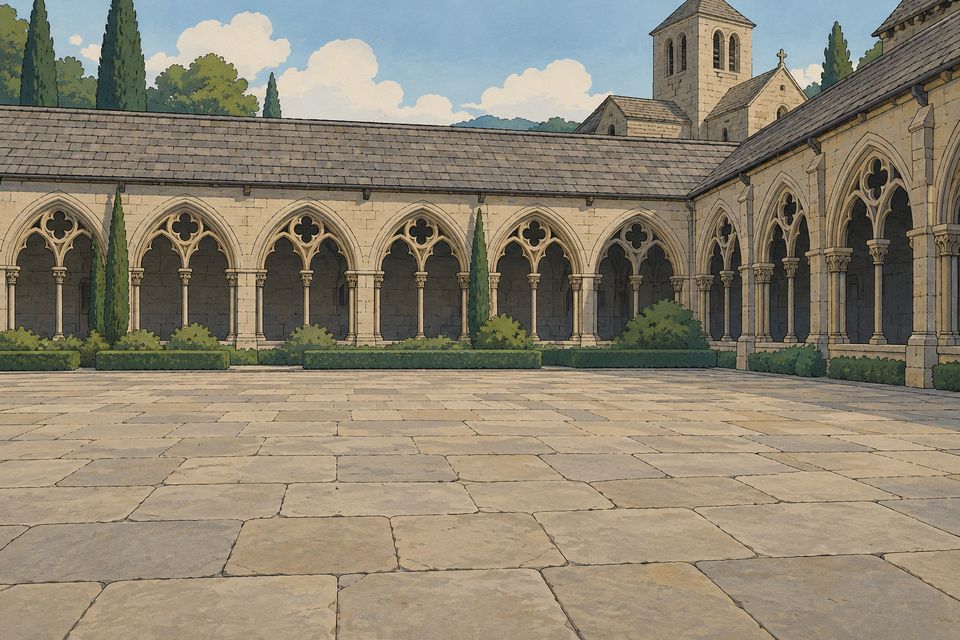
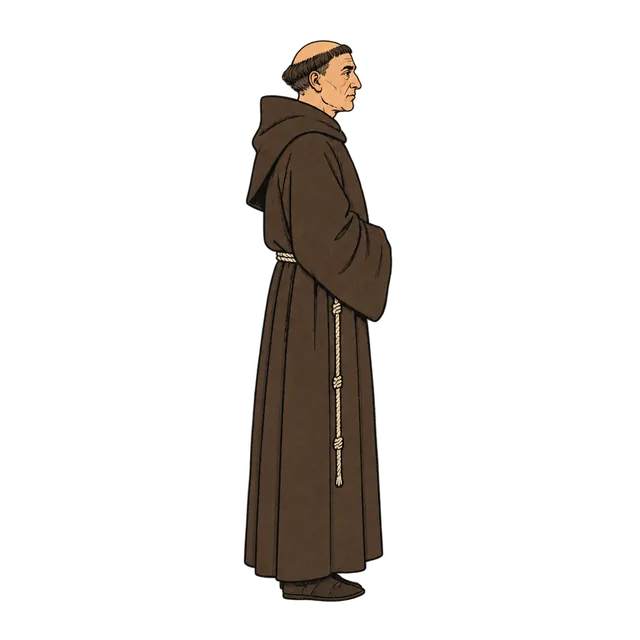
As a monk you would trade property, marriage and a free schedule for a life in which a bell decided when you slept, ate, prayed and spoke.
Living by the Rule
Most western monks followed the Rule of St Benedict, written around 530. It divided the day into the Divine Office – eight services of psalms and prayers, starting with Matins in the middle of the night – interleaved with manual work and spiritual reading. Its spirit is often summarised as ‘ora et labora’, pray and work. Monks took vows of obedience, stability (staying in one community) and conversion of life, which included celibacy and owning nothing personally. The abbot was father of the community, and within the Rule his word was final.
Later reform movements reshaped this life. The abbey of Cluny, founded in 910, built a vast liturgical routine; the Cistercians, starting at Cîteaux in 1098, returned to simplicity and hard work and became pioneers of farming, drainage and water management.
Books, beer and silence
Monasteries were among the main keepers of written culture. In the scriptorium monks copied texts by hand onto parchment – a single large Bible could take years and the skins of hundreds of animals. They also ran schools, infirmaries and guest houses for travellers.
Food was simple but regular, which was more than many peasants could say. The Rule forbade the meat of four-footed animals except for the sick, so bread, vegetables, eggs, cheese and fish dominated, with wine or beer. Meals were eaten in silence while one brother read aloud.
Monks in Poland
Benedictines arrived early: the abbey of Tyniec near Kraków was founded around 1044. Dissolved in 1816, it was resettled by Benedictines in 1939 and is a living monastery again. Cistercian abbeys such as Jędrzejów, Sulejów and Lubiąż followed in the 12th and 13th centuries, bringing new farming techniques to the regions around them.