Medieval king
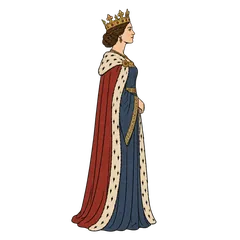
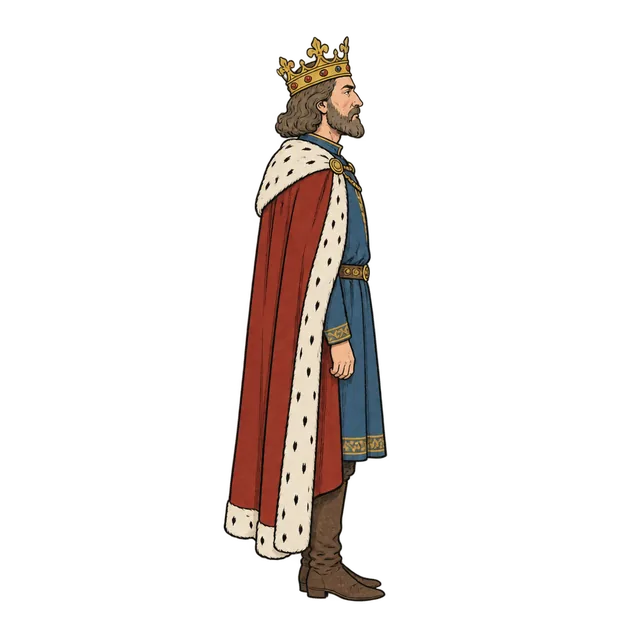
As a medieval king you would wear the crown – and spend your reign on horseback, chasing loyalty, money and rebellious relatives across your realm.
Anointed, not all-powerful
A medieval king’s authority rested on several pillars: inheritance or election, the Church’s blessing at coronation, and the practical support of great nobles. Coronation was a sacred rite – anointing with holy oil set the king apart from ordinary laymen. Yet medieval monarchs were far from absolute. They needed barons and bishops to raise armies and collect revenue, and they could be forced into concessions, as King John of England was with Magna Carta in 1215.
A court on the move
Before strong capitals and bureaucracies, kings ruled largely by travelling. The itinerant court moved between castles, monasteries and royal manors, consuming local supplies, hearing petitions, judging disputes and showing the royal face to subjects. A king’s day mixed Mass, council meetings, justice, diplomacy, feasting and – a favourite – hunting, which doubled as military training.
War was a core duty. Defending the realm, punishing rebels and enlarging territory were what people expected of a good king, and many led armies in person.
Polish kings and how reigns ended
Poland’s first crowned king was Bolesław the Brave in 1025. Later centuries of division ended with the coronation of Władysław the Elbow-high in 1320, and his son Casimir the Great (reigned 1333–1370) became famous for building castles, codifying law and founding the University of Kraków in 1364. Coronations took place in Wawel Cathedral.
Reigns could end badly. Kings died in battle (Władysław III at Varna in 1444), in accidents or by murder, and succession disputes regularly tore kingdoms apart. Others lived long – but always under the pressure of producing a male heir.