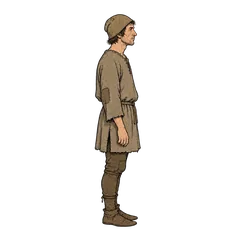
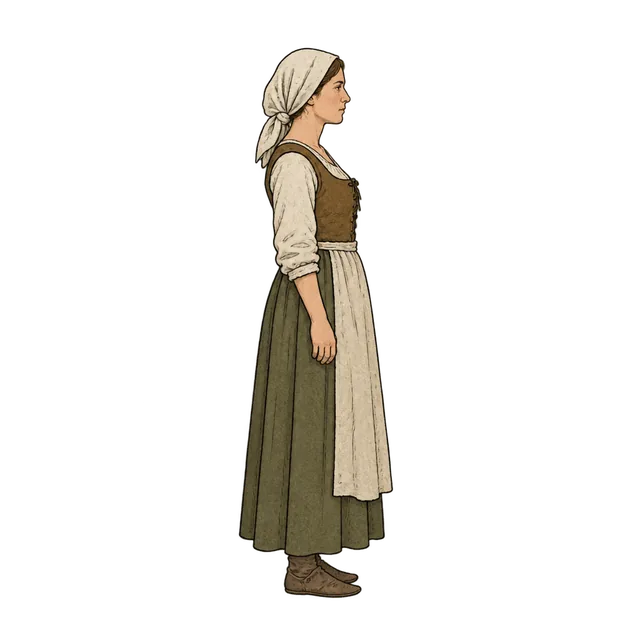
Medieval peasant woman
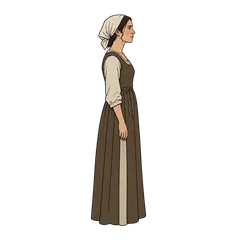
As a peasant woman you would rarely sit idle: when you weren’t in the fields, you were milking, spinning, brewing, cooking or nursing a baby – often several at once.
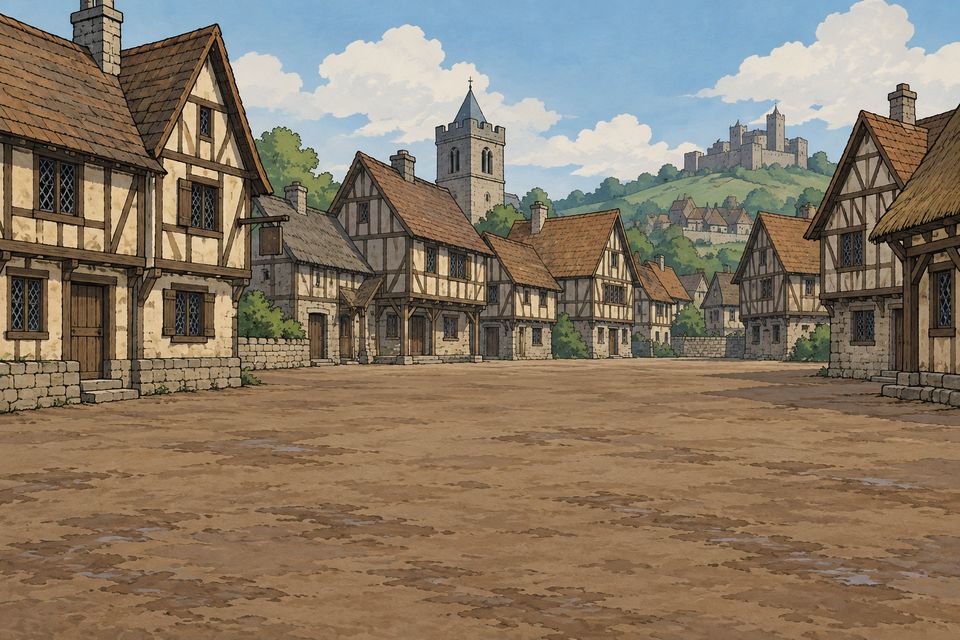
A working household
The peasant household was a small economic unit, and the woman’s work kept it alive. Typical tasks centred on the house and yard: fetching water, keeping the fire, cooking pottage and baking or buying bread, caring for poultry, pigs and cows, making butter and cheese, tending the vegetable garden and brewing ale. Spinning was so constant that women carried a distaff while doing other things – ‘spinster’ originally meant a woman who spins.
In busy seasons women also worked in the fields: weeding, haymaking, binding sheaves and gleaning after the harvest. Records from England after the Black Death show women hired as day labourers, usually for lower wages than men.
Marriage, children and risk
Most peasant women married in their late teens or twenties – in north-western Europe often later than elites did. Pregnancy and childbirth were the most dangerous events of a woman’s life, attended by midwives and female neighbours. Large numbers of children died in infancy, so a mother might lose several. Accidents were common too: English coroners’ rolls record women drowning while fetching water or dying in household fires.
Rights and widowhood
Legally, a married woman was usually under her husband’s authority, but practice was more flexible. Women could hold land as widows, brew and sell ale, appear in manor courts and sometimes inherit. A widow often kept a share of the holding – in England commonly a third or more for life – and some ran farms for decades. Unfree women paid the same kinds of dues as men, including the merchet paid on marriage. In Polish villages, women’s work in the household and yard was equally indispensable, and peasant women also owed services at the manor when labour duties grew from the 16th century.