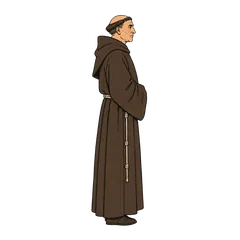
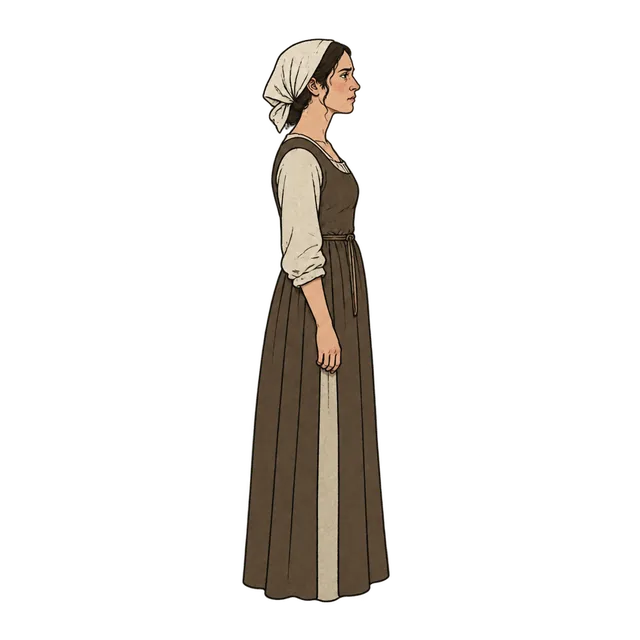
Woman accused of witchcraft
Reborn as a woman accused of witchcraft, you would face neighbours’ suspicion, a court that believed in the devil’s pact – and a process designed to produce a confession.
Mostly not medieval
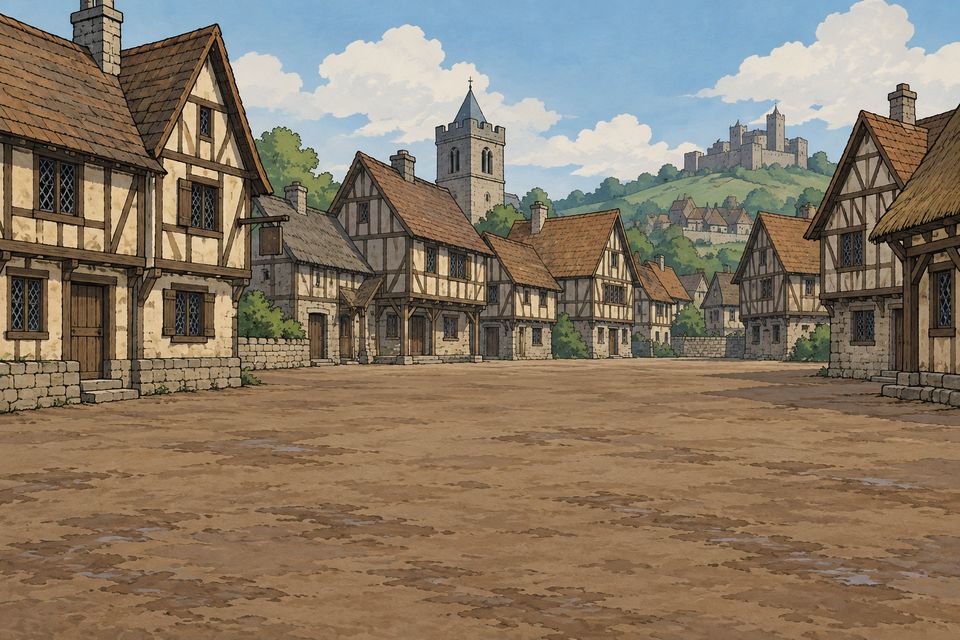
Although the witch-hunt is often pictured as medieval, the great wave of trials came later, roughly from 1560 to 1650, during the early modern period. Medieval courts did prosecute harmful magic, but the full idea of the witch – a person who made a pact with the devil, attended sabbaths and harmed others by sorcery – took shape in the 15th century. The Malleus Maleficarum, a handbook for witch-hunters, was published in 1486–1487. Across Europe an estimated 40,000–60,000 people were executed for witchcraft, around three-quarters or more of them women.
How an accusation began
Accusations usually began close to home: a quarrel with a neighbour, a cow that stopped giving milk, a child’s illness, a hailstorm that destroyed crops. Older women, widows, healers, midwives and those who were poor or quarrelsome were especially vulnerable, though men and children were accused too. Gossip could build over years before a formal charge.
Inside the trial
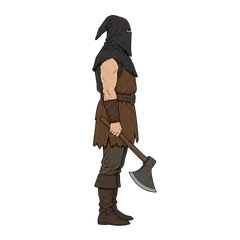
Where law allowed, torture was used to extract confessions and names of accomplices, which spread trials in chains. Some courts used ‘tests’ such as searching for the devil’s mark or, in some places, the swimming ordeal. Punishments ranged from banishment to death, often by burning or hanging. Trials were most intense in parts of the Holy Roman Empire; elsewhere, sceptical judges and appeal courts kept numbers lower.
In Poland, trials began later and were held mostly in town courts. Older accounts claimed tens of thousands of victims, but recent research suggests far fewer – probably hundreds of executions. The Sejm banned witch trials and torture in 1776. Remembering these people today means recognising that they were victims of fear, legal procedure and belief – not practitioners of dark arts.