Microbes and micro-animals
Bacteria, archaea, protists, fungi and the tiniest animals
Most of the living things on Earth are too small to see. A teaspoon of garden soil holds more bacteria than there are people on the planet, and your own body carries roughly as many microbial cells as human ones. If reincarnation were a fair lottery weighted by headcount, almost every spin would land here.
This part of the wheel collects them: bacteria that live in your gut or in boiling springs, archaea that breathe out methane, single-celled hunters and grazers, moulds and yeasts, and a few microscopic animals such as tardigrades, rotifers and water fleas. Their lives are short, often measured in minutes or days, but many of them can copy themselves faster than any animal and survive conditions that would kill us instantly.
Each entry explains how that organism actually lives: what it eats, how it moves, what kills it and why it matters to people.
Described lives
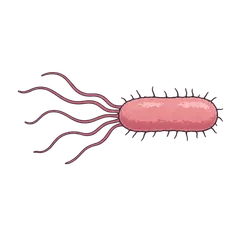 Escherichia coli
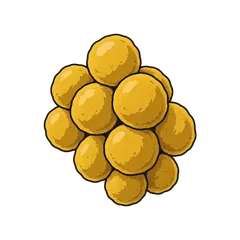 Staphylococcus aureus
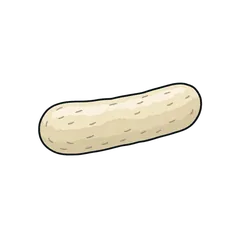 Lactobacillus
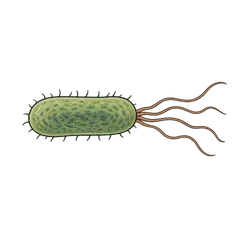 Salmonella
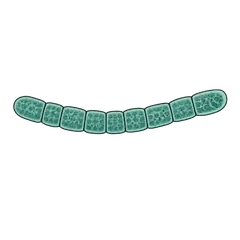 Cyanobacterium
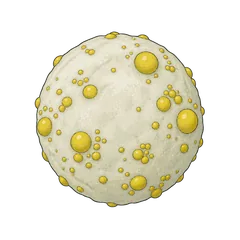 Thiomargarita
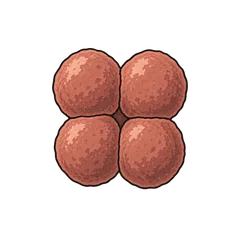 Deinococcus radiodurans
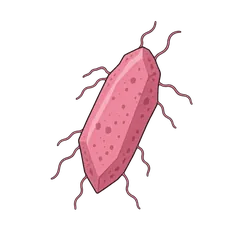 Haloarchaeon
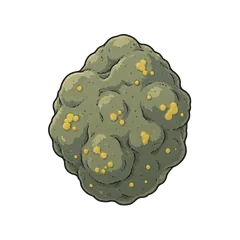 Methanogen
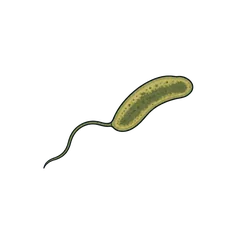 Bdellovibrio
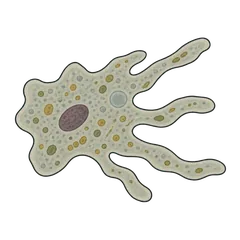 Amoeba proteus
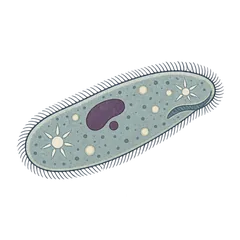 Paramecium
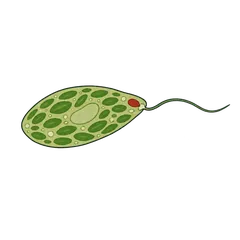 Euglena
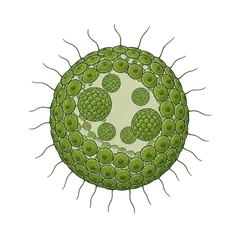 Volvox
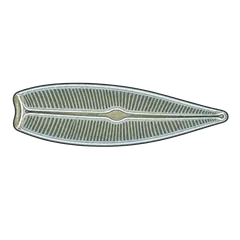 Pennate diatom
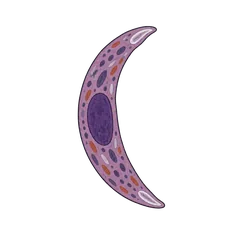 Plasmodium
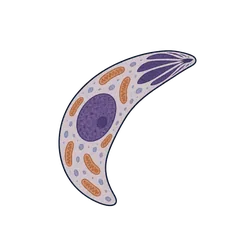 Toxoplasma gondii
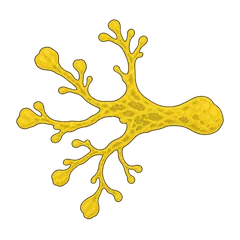 Physarum slime mould
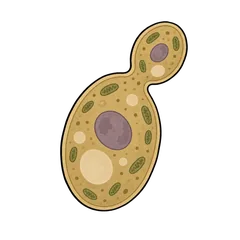 Baker’s yeast
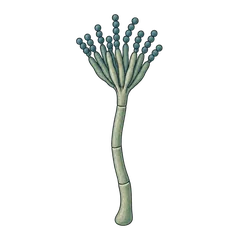 Penicillium
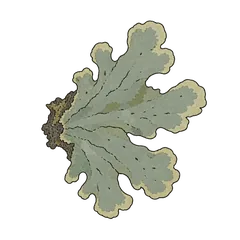 Foliose lichen
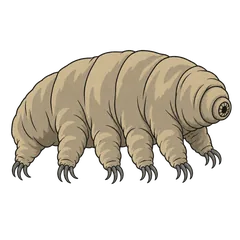 Tardigrade
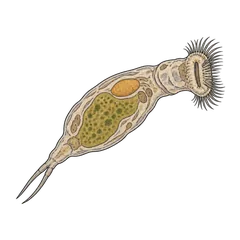 Rotifer
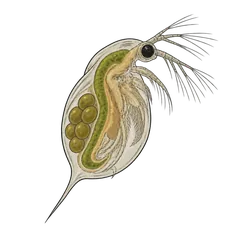 Daphnia
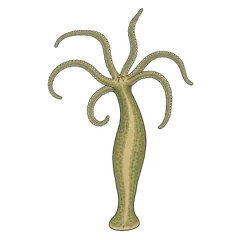 Hydra
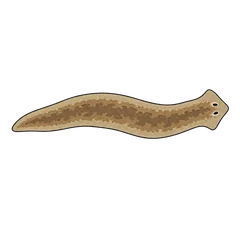 Planarian
Also on the wheel in this era
Streptococcus, Cholera vibrio, Helicobacter pylori, Pseudomonas, Spirulina, Rhizobium, Clostridium, Borrelia, Treponema pallidum, Campylobacter, Listeria, Legionella, Neisseria, Klebsiella, Mycobacterium, Streptomyces, Nostoc, Oscillatoria, Bacillus subtilis, Serratia marcescens, Proteus, Enterococcus, Shigella, Yersinia, Anabaena, Sulfolobus, Nitrobacter, Beggiatoa, Caulobacter, Myxococcus, Stentor, Vorticella, Didinium, Blepharisma, Chlamydomonas, Chlorella, Spirogyra, Radiolarian, Foraminiferan, Ceratium, Noctiluca, Giardia, Trypanosoma, Dictyostelium slug, Arcella, Heliozoan, Dinoflagellate, Chaos amoeba, Paramecium bursaria, Lacrymaria, Euplotes, Gregarine, Opalina, Emiliania huxleyi, Peridinium, Spirostomum, Difflugia, Candida, Aspergillus, Rhizopus, Neurospora, Claviceps, Cryptococcus, Schizosaccharomyces, Trichoderma, Mucor, Ustilago, Brettanomyces, Nematode, Dust mite, Brine shrimp, Copepod, Ostracod, Vinegar eel.