Salmonella
As a Salmonella bacterium you would travel the world in chicken guts, eggshells and turtle tanks, waiting for a meal that was not cooked quite long enough.

One genus, thousands of faces
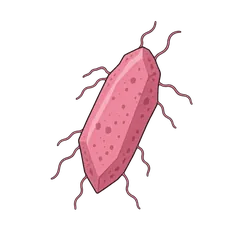
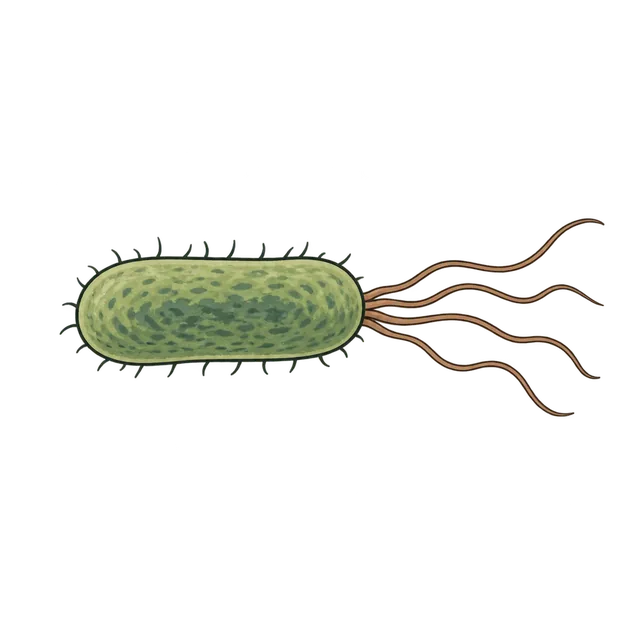
Salmonella is a rod-shaped bacterium related to E. coli. It is split into just two species, but one of them, Salmonella enterica, contains more than 2,500 serotypes, distinguished by the molecules on their surface. Most live in the intestines of animals – poultry, pigs, cattle and especially reptiles – often without making them ill. The genus is named after the American veterinarian Daniel Salmon, although the work was largely done by his assistant Theobald Smith in 1885.
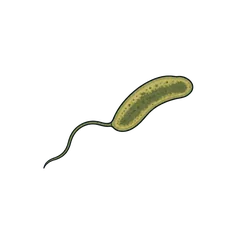
Your toolkit includes flagella for swimming and a molecular syringe, the type III secretion system, which injects proteins into gut cells and persuades them to swallow you.
What it does to people
Most human infections are non-typhoidal salmonellosis: diarrhoea, fever and stomach cramps starting roughly six hours to six days after eating contaminated food. Most people recover within four to seven days without specific treatment, though infants, older adults and people with weakened immunity are more likely to need medical care. Typhoid fever is a different, more serious disease caused by the serotype Typhi, which lives only in humans and spreads through contaminated water; it is treatable with antibiotics and preventable by vaccination and sanitation.
How the journey ends
Salmonella does not survive proper cooking. Heating poultry to at least 74–75 °C at the centre, keeping raw meat apart from ready-to-eat food and washing hands after handling pet reptiles stop most of your life plans. Vaccination of laying hens has sharply reduced egg-related outbreaks in several European countries. If you do reach a gut, you might spend a few days there before being expelled; a small number of people become long-term carriers, the most famous being Mary Mallon, the cook known as Typhoid Mary, in early twentieth-century New York.