Methanogen
As a methanogen you would live where oxygen never reaches – a swamp bottom, a rice paddy or a cow’s stomach – and your only exhaust would be methane.

Breathing without air
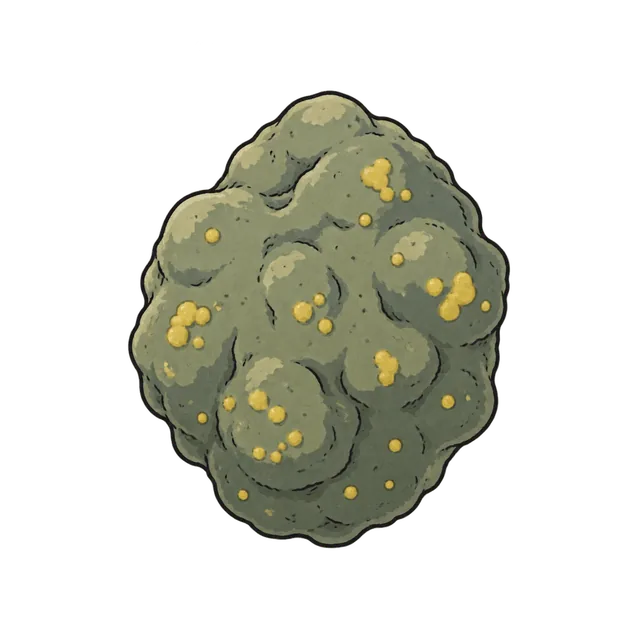
Methanogens are archaea that make their energy by producing methane, usually by combining hydrogen with carbon dioxide or by splitting acetate. They are strict anaerobes: even small amounts of oxygen are lethal to most of them. They sit at the very end of the decomposition chain, eating the leftovers – hydrogen, CO2, acetate – that other microbes produce while breaking down plant matter.
Their discovery helped redraw the tree of life. In 1977 Carl Woese and George Fox showed, by comparing ribosomal RNA, that methanogens were not bacteria at all but members of a separate group, now called Archaea.
Where you would live
Your possible addresses are surprisingly varied: waterlogged soils, lake and marine sediments, landfills, sewage digesters, termite guts, the human colon and above all the rumen of cows, sheep and goats. In the rumen, species such as Methanobrevibacter ruminantium mop up hydrogen produced by fibre-digesting microbes; the methane leaves mostly through the animal’s burps, not its rear end. Alessandro Volta collected ‘inflammable air’ from the marshes of Lake Maggiore in 1776 – the first scientific description of methane, though no one knew microbes made it.
A climate-sized footprint
Methane is a powerful greenhouse gas, roughly 80 times more potent than CO2 over 20 years, and microbes produce a large share of global emissions from wetlands, rice fields, livestock and landfills. Researchers are testing feed additives that inhibit methanogens in cattle. On the other hand, the same metabolism powers biogas plants that turn manure and food waste into fuel. As an individual cell you would grow slowly, since methanogenesis yields little energy, and your life would end most often when oxygen seeped in or a predator protist swallowed you.