Cyanobacterium
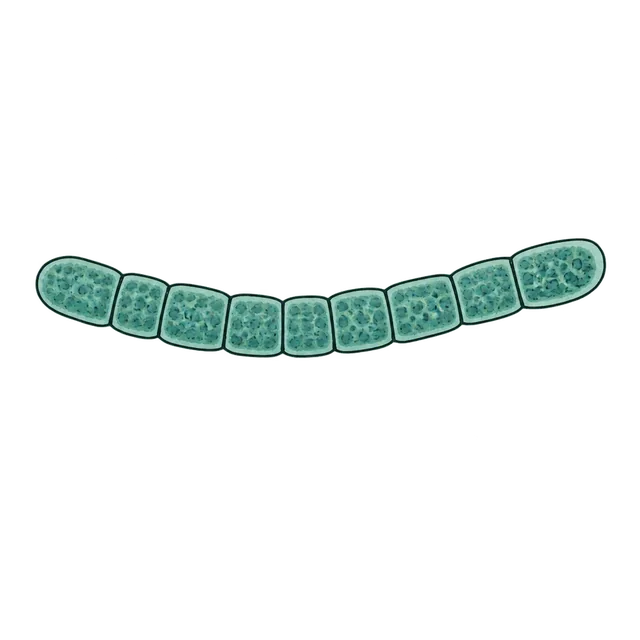
As a filamentous cyanobacterium you would be one bead in a living necklace floating in a pond, quietly doing the job that changed the atmosphere of an entire planet.

The original solar panel
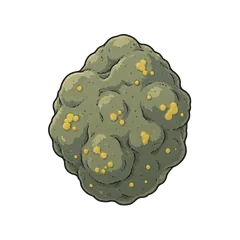
Cyanobacteria are bacteria that photosynthesise the same way plants do: they split water using sunlight and release oxygen as waste. In fact, plants learned the trick from them – the chloroplasts inside every leaf are the descendants of a cyanobacterium swallowed by an ancestral cell well over a billion years ago. Filamentous species such as Anabaena, Oscillatoria and Nostoc grow as chains of cells, each a few micrometres wide, that can reach a millimetre or more in length.
Your colour would come from chlorophyll plus blue-green pigments called phycobilins, which is why the group was long known as blue-green algae, although they are not algae at all.
A planet-sized legacy
Around 2.4 billion years ago, oxygen released by cyanobacteria began accumulating in the air – the Great Oxidation Event. It rusted iron dissolved in the oceans, poisoned many oxygen-hating microbes and eventually made complex animal life possible. Layered mounds called stromatolites, built by mats of cyanobacteria, are among the oldest fossils on Earth, and living ones still grow in Shark Bay, Western Australia.
Many filamentous species also fix nitrogen from the air in thick-walled cells called heterocysts, where the oxygen-sensitive enzyme nitrogenase is kept safe from the oxygen their neighbours produce.
Blooms and dangers
In warm, nutrient-rich water – often polluted by fertiliser runoff – cyanobacteria can multiply into green scums. Some produce toxins such as microcystins that can harm pets, livestock and people, which is why authorities close beaches and lakes during blooms; avoiding contact with discoloured water is the simple rule. Your own life would be one of steady division, floating with the help of gas vesicles to stay near the light, until you were grazed by water fleas, infected by a virus or sank when the bloom collapsed.