Woolly rhinoceros
Reborn as a woolly rhinoceros, you would graze the frozen steppe head down, with a horn as long as a person’s arm and a coat thick enough to shrug off a Siberian winter.
Built low and woolly
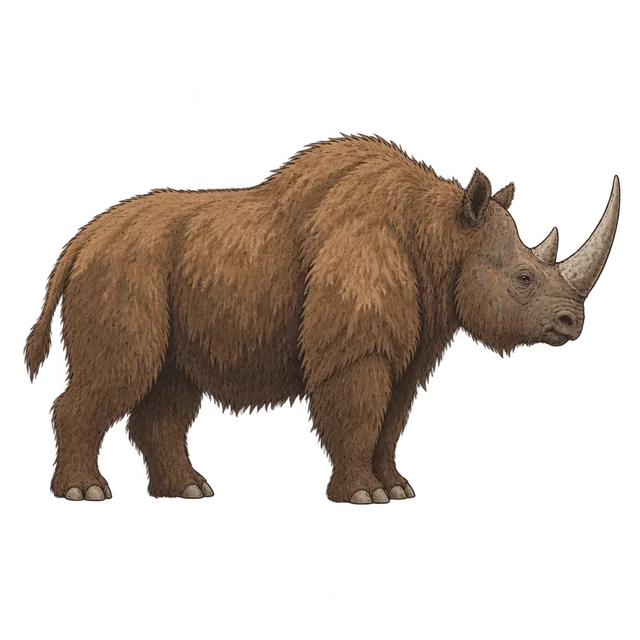
Coelodonta antiquitatis was a rhino about the size of a modern white rhino: roughly 3.5–3.8 m long and up to around 1.6 m at the shoulder, perhaps 2 tonnes or more. You would carry a long, flattened front horn, sometimes over 1 m long, and a smaller second horn. Your coat was thick and woolly, your ears small and your tail short – all adaptations to cold.
Wear on the underside of fossil horns suggests woolly rhinos swept them sideways over the ground, perhaps to clear snow from grass.
Life on the steppe
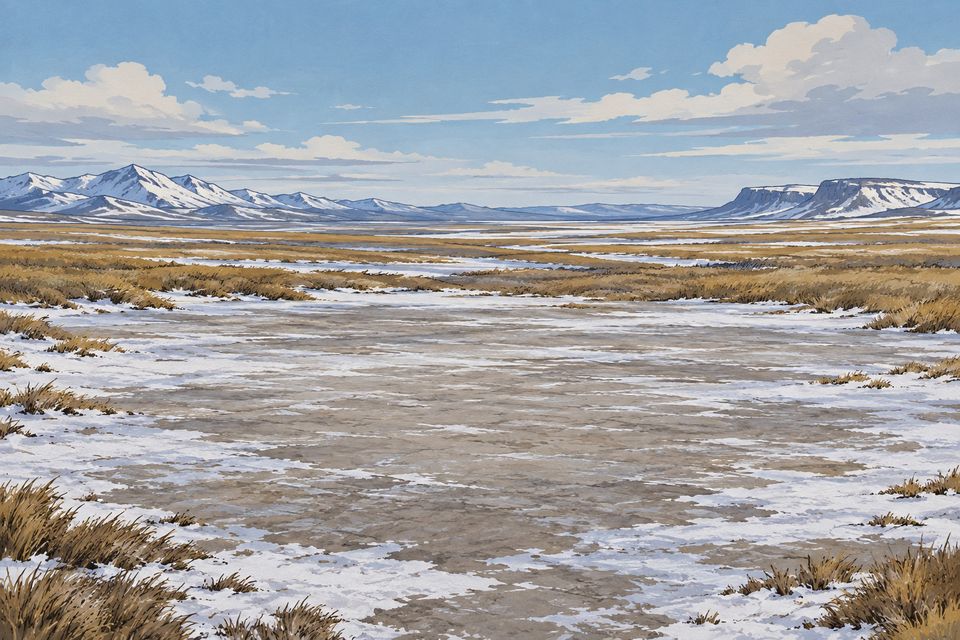
Your head hung low, a posture suited to grazing. You would feed on grasses and sedges on the open mammoth steppe of Europe and northern Asia. Most researchers think woolly rhinos lived alone or in small groups, as many living rhinos do.
Frozen carcasses from Siberia and Yakutia, including a juvenile nicknamed Sasha, have preserved fur, skin and soft tissue. Woolly rhinos were also painted on cave walls, most famously in Chauvet Cave in France, more than 30,000 years ago. Its teeth were high-crowned and suited to grinding gritty grasses, and preserved stomach contents confirm a diet of grasses, herbs and some shrubs.
The end of the line
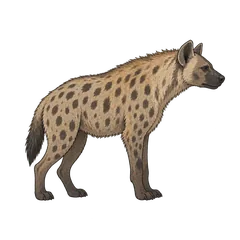
Humans hunted woolly rhinos, and cave lions and hyenas probably preyed on young ones. Genetic studies of fossils suggest the population stayed fairly stable until shortly before extinction, which points to a rapidly warming climate around 14,000 years ago as a major factor. The species is thought to have died out roughly 14,000 years ago in north-eastern Siberia.