Irish elk (Megaloceros)
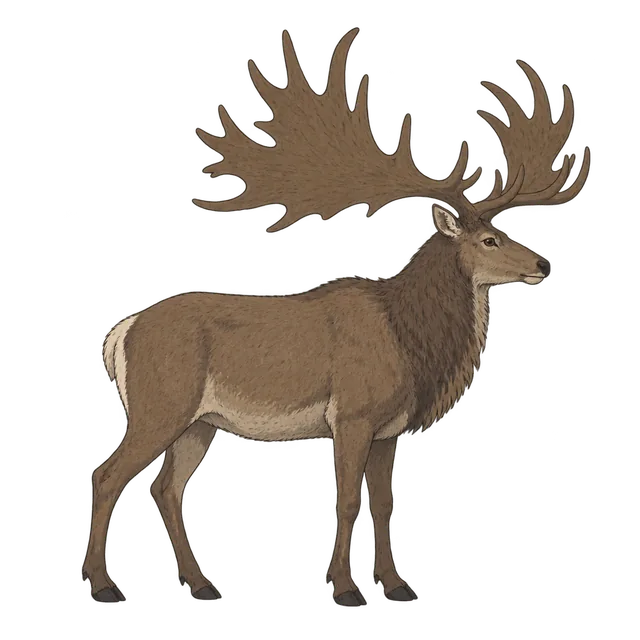
Reborn as Megaloceros, you would carry the largest antlers of any deer that ever lived – up to 3.6 m from tip to tip – and grow a new pair every single year.
Neither Irish nor an elk
Megaloceros giganteus is often called the Irish elk, because many fine skeletons were found in Irish bogs. It was not exclusively Irish and not an elk (moose); its closest living relative is the fallow deer. Males stood around 2.1 m at the shoulder and could weigh around 450–700 kg. Their palmate antlers could span up to about 3.6 m and weigh up to around 40 kg.
The cost of antlers
As a male, you would shed and regrow your antlers annually. Building that much bone in a few months demanded a lot of minerals, and studies suggest males drew calcium and phosphorus partly from their own skeletons and needed nutrient-rich plants. The antlers were mainly for display and contests with rivals during the rut.
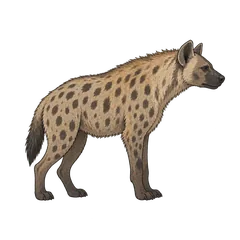
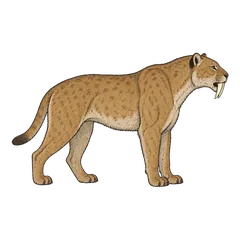
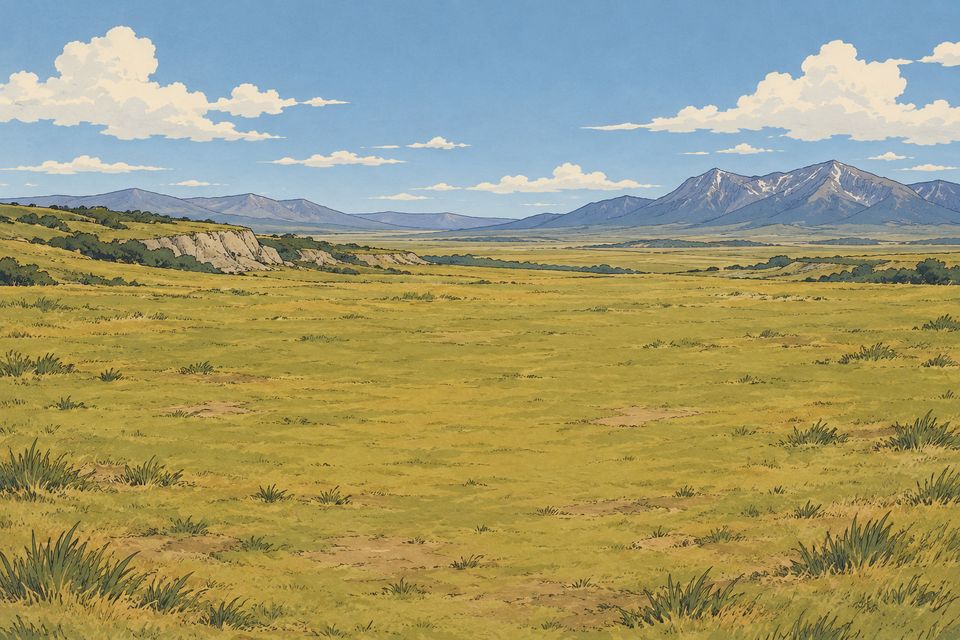
You would graze and browse open woodland and grassland, eating grasses, herbs and young shoots. Females lacked antlers and were smaller. Predators included wolves, cave lions, hyenas and humans. Females gave birth to a single calf in spring, and young deer were vulnerable to wolves and hyenas. Analysis of some Irish skeletons suggests males could suffer injuries during the rut, as modern deer do.
Lasting into the Holocene
Megaloceros ranged from Ireland across Europe to Siberia. It declined as the climate fluctuated at the end of the last ice age, but a population survived in western Siberia until about 7,700 years ago, well after the ice had retreated. The once-popular idea that the antlers grew so large they doomed the species is no longer accepted; changes in vegetation and hunting are more likely causes.