Cave hyena
If you come back as a cave hyena, you will be part of a noisy clan crunching through mammoth and rhino bones in a den full of leftovers – the Ice Age’s cleanup crew and a capable hunter too.
A spotted hyena, scaled up
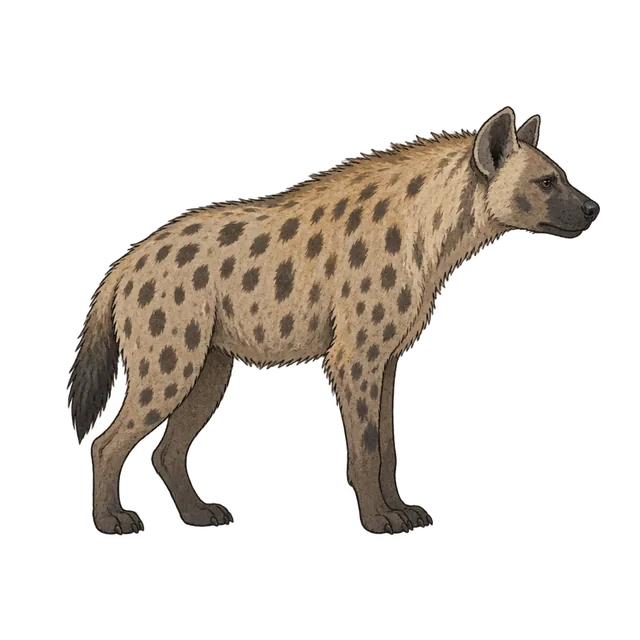
The cave hyena, Crocuta crocuta spelaea, was a Eurasian form of the spotted hyena, now often treated as a subspecies or a closely related species. It was larger and more robust than today’s African spotted hyena, with very powerful jaws and premolars built for cracking bone. Cave art from Chauvet Cave in France appears to show a spotted hyena, suggesting that you would have looked broadly like your African cousins.
Like spotted hyenas today, you probably lived in clans with a social hierarchy, and you would be a skilled hunter as well as a scavenger. Your jaws could crack the long bones of large mammals to reach the marrow inside.
Life in the den
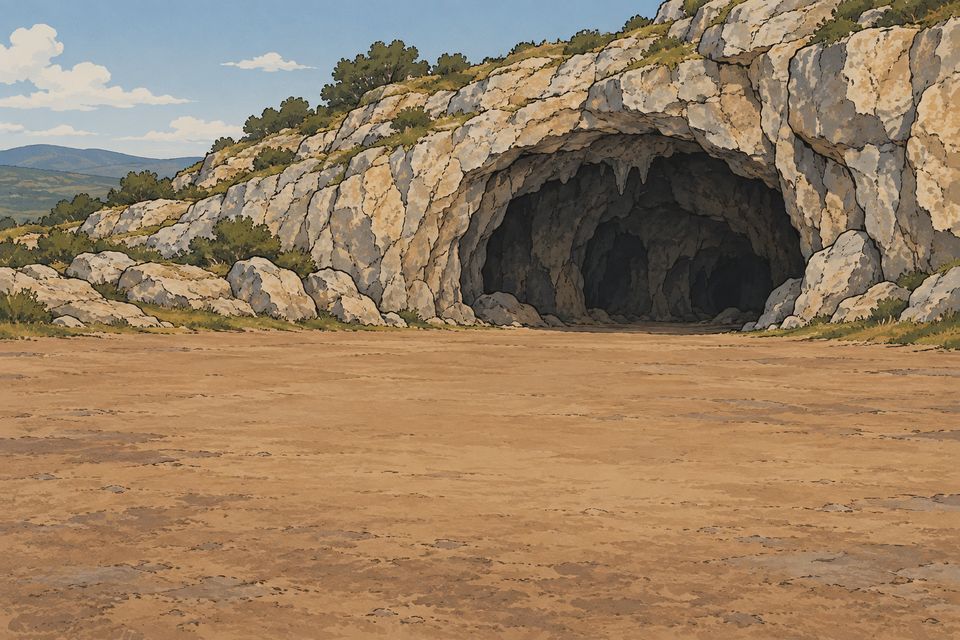
As your name suggests, you used caves as dens, especially for raising cubs. Dens such as Kirkdale Cave in England, studied by William Buckland in the 1820s, contained heaps of gnawed bones of rhinos, horses, deer and even lions, along with fossilised hyena droppings (coprolites). Gnaw marks show that hyenas brought prey and carcasses back to the den to feed young.
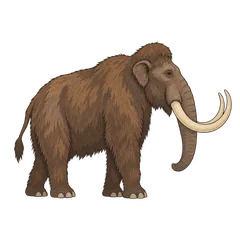
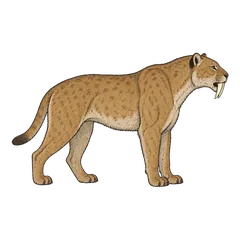
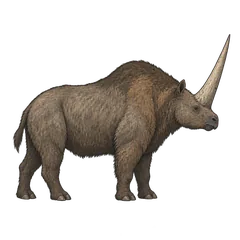
You would hunt horses, deer and reindeer, and scavenge mammoths, woolly rhinos and bears. Competition with cave lions and humans over food and shelter could be intense; lion and hyena bones found together suggest fights.
Fading out of Europe
Cave hyenas were widespread across Europe and Asia during the Pleistocene. In Europe they disappeared around 30,000 years ago, possibly due to a decline in prey species and the spread of humans. Their dens remain some of the richest Ice Age fossil sites, giving researchers a snapshot of entire communities of large animals.