Dire wolf
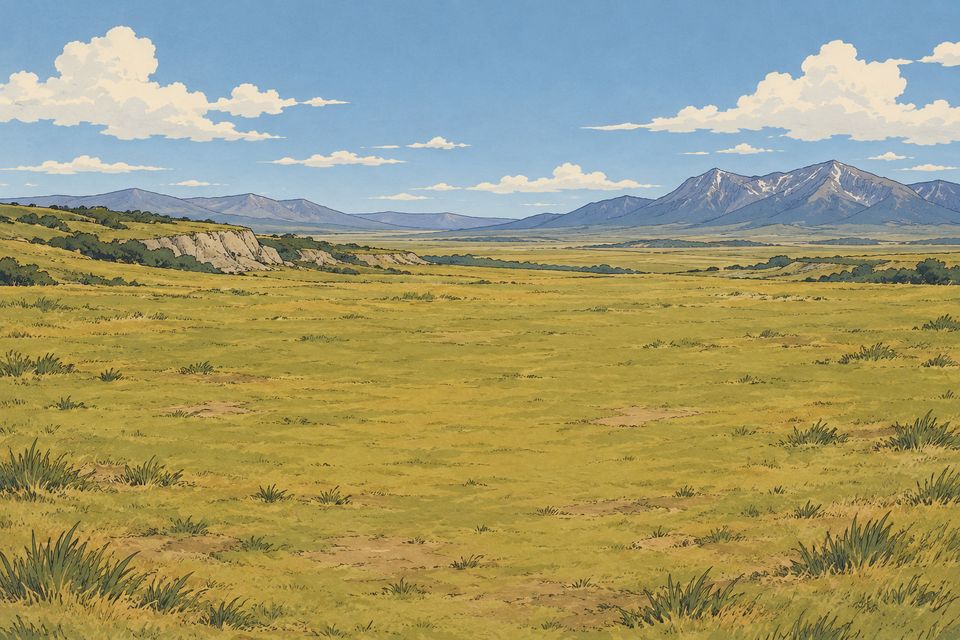
As a dire wolf you would run with a pack across Ice Age North America, built heavier than a grey wolf and with jaws made for tackling horses and bison.
Bigger, heavier, different
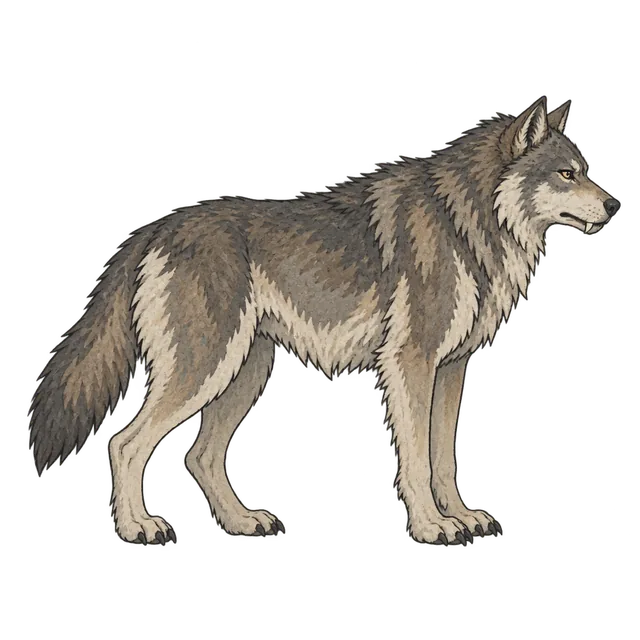
Aenocyon dirus (long known as Canis dirus) weighed roughly 60–68 kg on average, somewhat heavier than a large grey wolf, with a broader skull and larger teeth. Its bite was stronger than a grey wolf’s, suited to big prey. A 2021 study of ancient DNA found that dire wolves split from the lineage leading to grey wolves and coyotes more than 5 million years ago, so they were not simply “giant grey wolves” but a distinct lineage.
Pack life on the plains
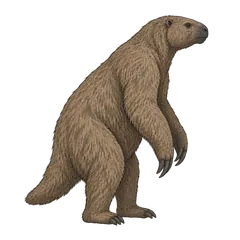
You would hunt horses, bison, ground sloths and other large herbivores, probably in packs, as modern wolves do. Dire wolf teeth from La Brea often show heavy wear and breakage, which suggests they ate a lot of bone, possibly because food was competitive. The La Brea Tar Pits in Los Angeles have yielded remains of more than 4,000 dire wolves – the most common large mammal there – probably drawn in by animals trapped in the asphalt.
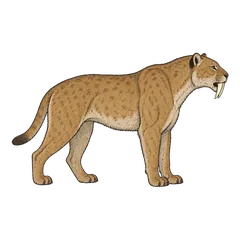
Your competitors would include Smilodon, the American lion and short-faced bears. Despite their reputation, dire wolves were not much taller than grey wolves; their extra weight came from a more robust build and heavier bones.
Disappearance – and a modern footnote
Dire wolves lived from about 250,000 to around 13,000 years ago, from Canada to South America. They died out when the large herbivores they depended on disappeared, while the more flexible grey wolf survived.
In 2025 a US biotechnology company announced gene-edited grey wolf pups designed to resemble dire wolves. Scientists stressed that these animals are modified grey wolves, not true dire wolves.