Cave lion
Reborn as a cave lion, you would hunt reindeer and horses across the frozen steppe of Ice Age Europe, in a body somewhat larger than any lion alive today.
A lion for the cold
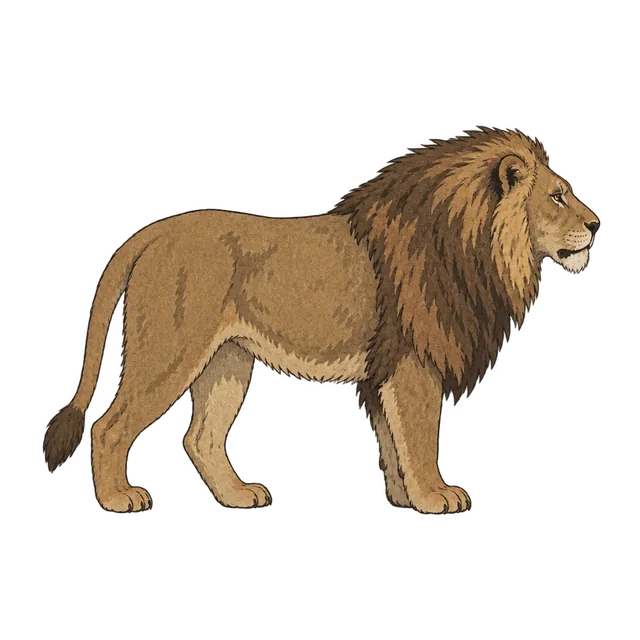
Panthera spelaea was closely related to the modern lion but formed a separate lineage that split off several hundred thousand years ago. You would be roughly 5–10% larger than a modern lion, with a thick coat for winter. Cave art at Chauvet Cave in France and other sites shows lions without obvious manes, and some paintings suggest faint stripes, so you probably looked more like a big lioness than a maned male.
Frozen cubs found in Yakutia, Siberia – Boris, about 43,000 years old, and Sparta, about 28,000 years old – have preserved fur and whiskers.
Hunting and caves
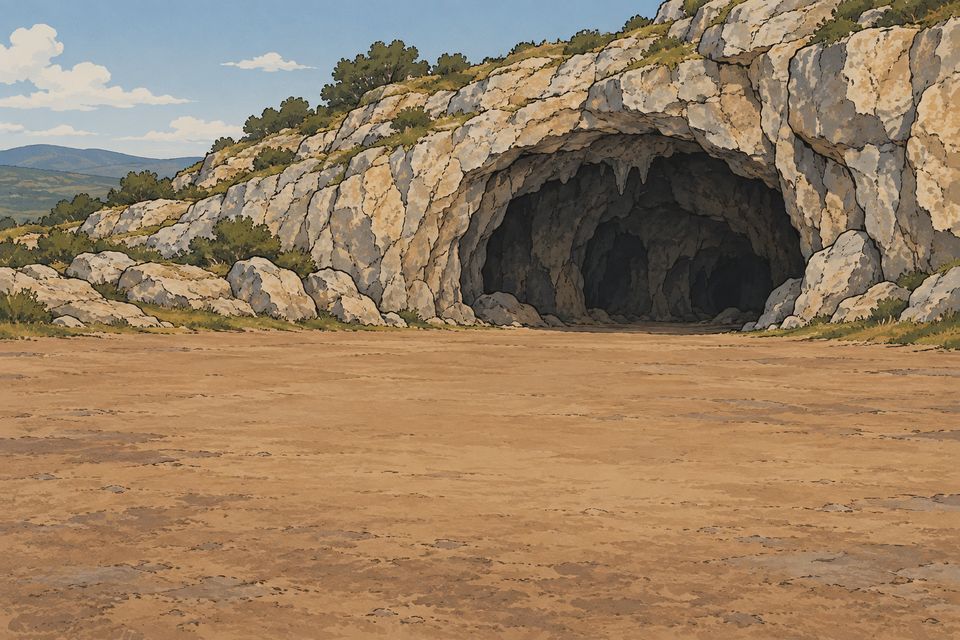
Despite the name, you would not live in caves. You would hunt in the open landscape, mainly taking reindeer, horses, bison, deer and young of larger animals. Isotope studies of bones suggest reindeer were an important prey in some regions. Lions did enter caves, though – some skeletons have been found deep inside caves once used by cave bears, perhaps after hunting hibernating bears, which could end badly for the lion.
Whether you lived in prides like African lions is uncertain. Cave paintings sometimes show lions in groups, which hints at social life, but this is hard to confirm from bones alone.
Neighbours and extinction
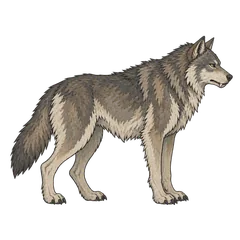
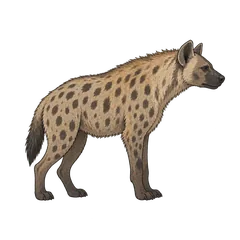
Your range stretched from Spain and Britain across Europe and Asia to Alaska and the Yukon. You competed with cave hyenas and wolves, and you shared the land with Neanderthals and later modern humans, who depicted you in art and sometimes hunted you. Cave lions disappeared around 14,000 years ago, as the steppe gave way to forests and their prey declined.