Cave bear
As a cave bear you would be a huge, round-headed bear that spent the long Ice Age winters asleep in the dark – and, surprisingly, ate mostly plants.
A big, domed bear
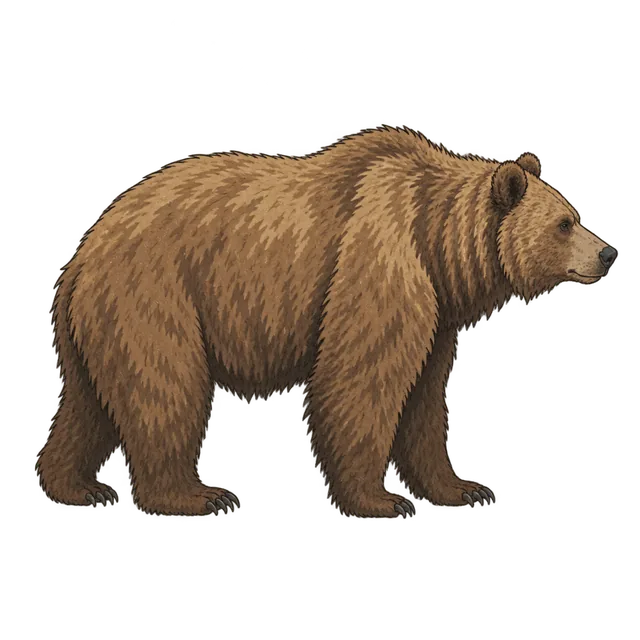
Ursus spelaeus lived in Europe from roughly 300,000 to about 25,000 years ago. Males were much larger than females and could weigh an estimated 400–500 kg or more. Your skull would be high-domed with a steep forehead, and your teeth broad and flat – better suited to grinding plants than slicing meat. Your forelimbs were powerful, but you were less agile than a modern brown bear.
Cubs born in caves during the winter were tiny and depended on their mothers for months.
Plants and long sleeps
Isotope studies of bones and analysis of tooth wear indicate that most cave bears ate a largely vegetarian diet of grasses, herbs, roots and berries, though some populations may have eaten more animal food. You would fatten up in summer and autumn, then retreat deep into caves to hibernate through the winter, sometimes giving birth there.
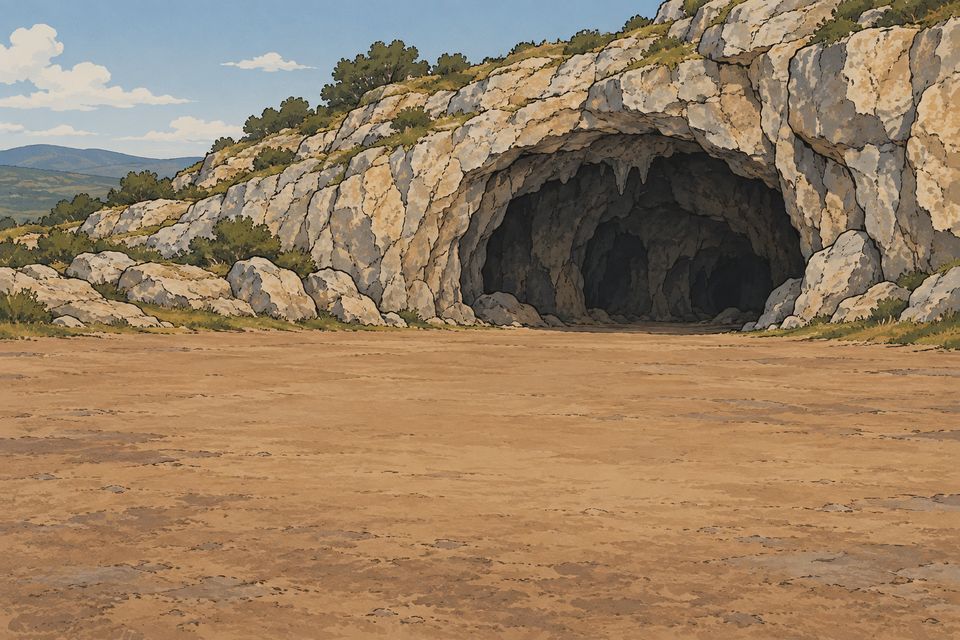
Caves were not always safe. Many individuals died during hibernation, especially the very young and the very old, which is why some caves hold the remains of thousands of bears. The Drachenhöhle in Austria and caves in Romania and Slovenia are famous examples. In Poland, cave bear remains are known from caves such as Niedźwiedzia Cave in the Sudetes.
Why they vanished
Cave bears disappeared around 25,000 years ago, before the coldest phase of the last glaciation. Ancient DNA suggests that their numbers had been falling for a long time. Possible causes include a cooling climate that reduced plant food, and competition with humans, who also used caves as shelter. Bear skulls found arranged in caves have sometimes been described as a cult, but most researchers think natural processes are a better explanation.