Giant short-faced bear
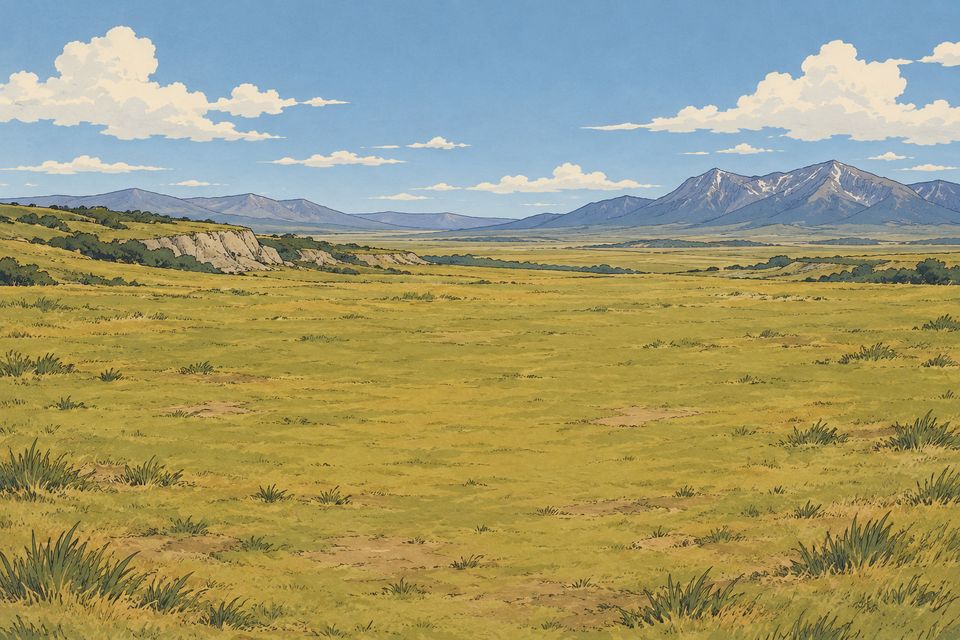
Reborn as a giant short-faced bear, you would stand taller than a moose on all fours and roam the plains of Ice Age North America looking for meat, fresh or otherwise.
A tall, long-legged bear
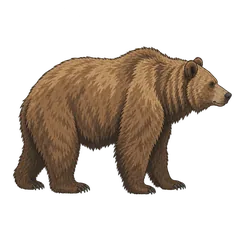
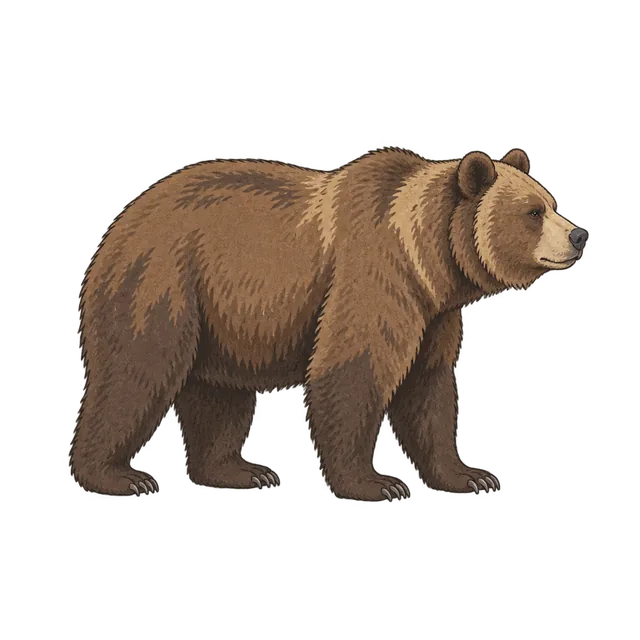
Arctodus simus was one of the largest carnivorous land mammals known. Large males may have weighed around 700–900 kg, with some estimates higher, and stood about 1.5–1.8 m at the shoulder on all fours, reaching over 3 m when standing upright. Your legs would be long, giving you a tall, lanky look, and your muzzle short and broad – hence the name. Females were considerably smaller.
Despite its name and size, Arctodus was not closely related to the brown or polar bear. Its closest living relative is the spectacled bear of South America, a much smaller animal that mostly eats plants. Fossil evidence suggests Arctodus could travel long distances in search of food.
Predator, scavenger or omnivore?
For decades, Arctodus was thought to be a fast hyper-predator chasing down horses and bison. Studies of its skeleton suggest it was not built for speed or quick turns. Isotope analyses of its bones show a diet rich in meat, but studies of its teeth suggest it may also have eaten plants in some regions.
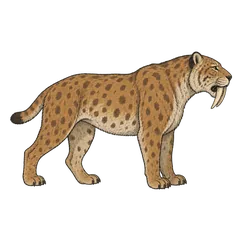
One popular hypothesis casts you as a giant scavenger, walking long distances and using your size to drive wolves and big cats off their kills. The question is still debated, and different populations may have lived in different ways.
Range and extinction
Arctodus lived across North America, from Alaska to Mexico, from about 1.8 million to around 11,000 years ago. Fossils come from caves, tar pits and permafrost. It died out at the end of the last ice age, along with the large herbivores whose carcasses it depended on.