Doedicurus
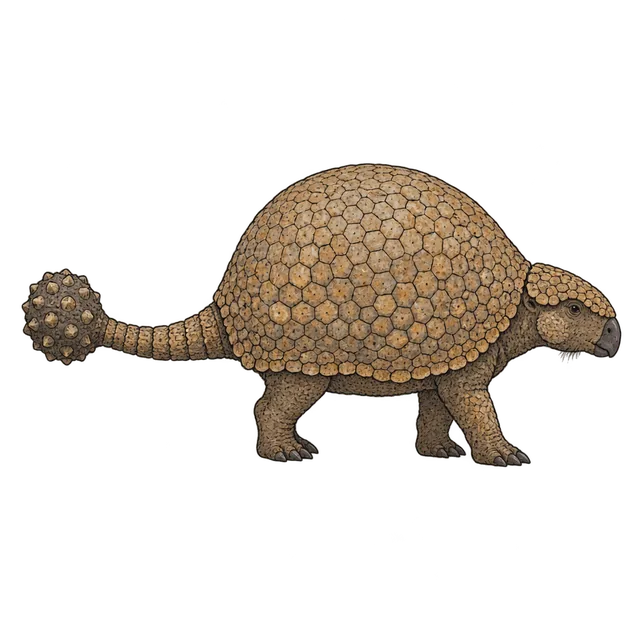
If the wheel makes you Doedicurus, you get a shell like an armoured car and a tail ending in a spiked mace – which you most likely used on others of your own kind.
Armour with a weapon
Doedicurus clavicaudatus was one of the largest glyptodonts, giant relatives of armadillos. It reached around 3.6 m in length and an estimated 1.4 tonnes or more. Your back was covered by a domed shell of fused bony plates, and your tail was encased in armour, ending in a club with spike sockets. The spikes themselves were probably covered in keratin and are not preserved.
Your shell was heavy, made of thick osteoderms without the movable bands of modern armadillos, so you could not curl up. Your legs were short and powerful, and your skull carried a deep jaw with grinding teeth suited to coarse vegetation.
Fighting your own kind
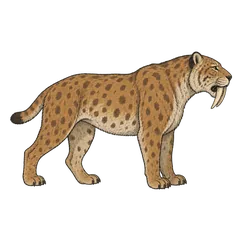
Some glyptodont shells show damage consistent with blows from tail clubs, which suggests that males used their tails in contests over mates or territory, similar to the antler fights of deer. The club could also have been a defence against predators such as Smilodon.
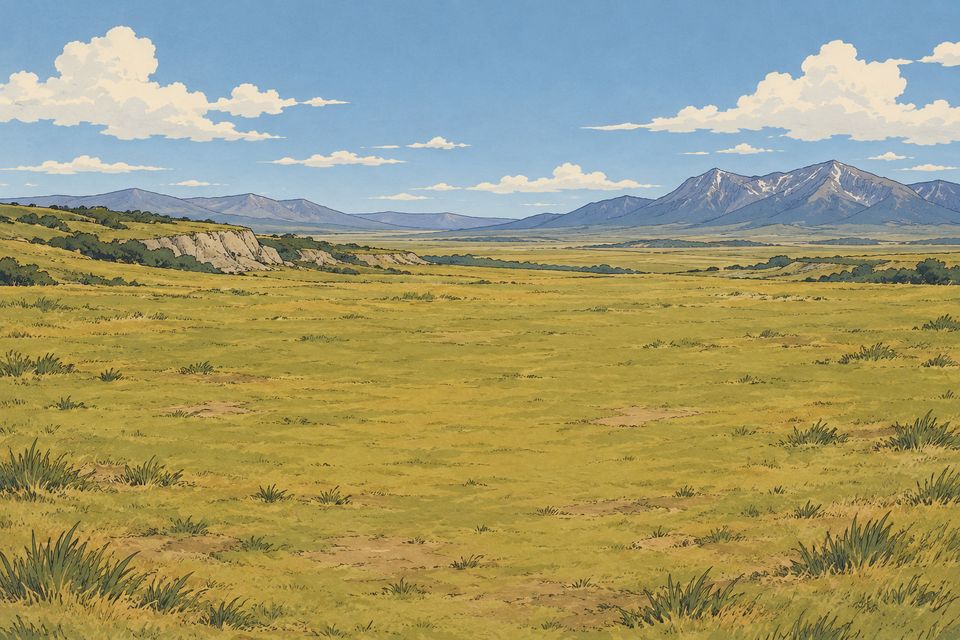
Day to day, you would be a slow grazer, feeding on grasses and low plants in the grasslands of what is now Argentina, Uruguay and southern Brazil. Few predators would risk attacking a healthy adult. Younger, smaller individuals were more vulnerable, and Smilodon may have targeted them.
The end of the giants
Doedicurus survived until the end of the Pleistocene, roughly 11,000 years ago, and some dates suggest a little later. At La Moderna in Argentina, Doedicurus bones were found together with stone tools, which suggests people butchered it, though the dating of the site is debated. Doedicurus likely died out because of a combination of climate change and hunting by the first people in South America.