Giant beaver (Castoroides)
Reborn as Castoroides, you would be a beaver the size of a black bear, paddling through Ice Age wetlands – but, unlike modern beavers, you probably never felled a single tree.
A rodent the size of a bear
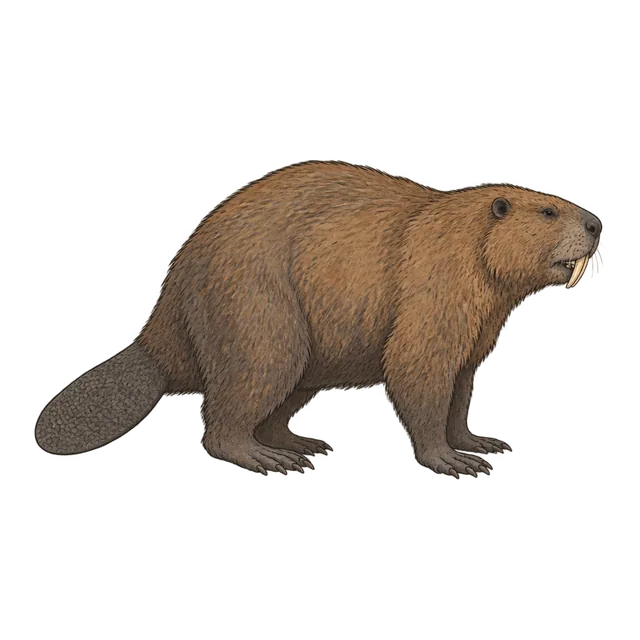
Castoroides ohioensis was one of the largest rodents ever to live in North America. It reached around 2 m in length and an estimated 90–125 kg. Your incisors would be up to about 15 cm long, broad and with ridges on the front, quite different from the chisel-like teeth of modern beavers. Your tail was probably narrower than a modern beaver’s paddle.
Your skull was long and your eye sockets set high, typical of a swimming animal. Your hind feet were large, which suggests you were a strong swimmer, though perhaps less agile in the water than modern beavers.
A diet of water plants
Isotope analysis published in 2019 showed that Castoroides ate mainly submerged aquatic plants rather than wood and bark. There is no clear evidence that you built dams or lodges or cut down trees, although a possible giant beaver lodge reported from Ohio is disputed.
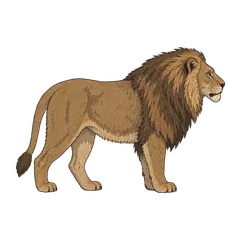
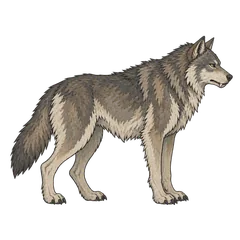
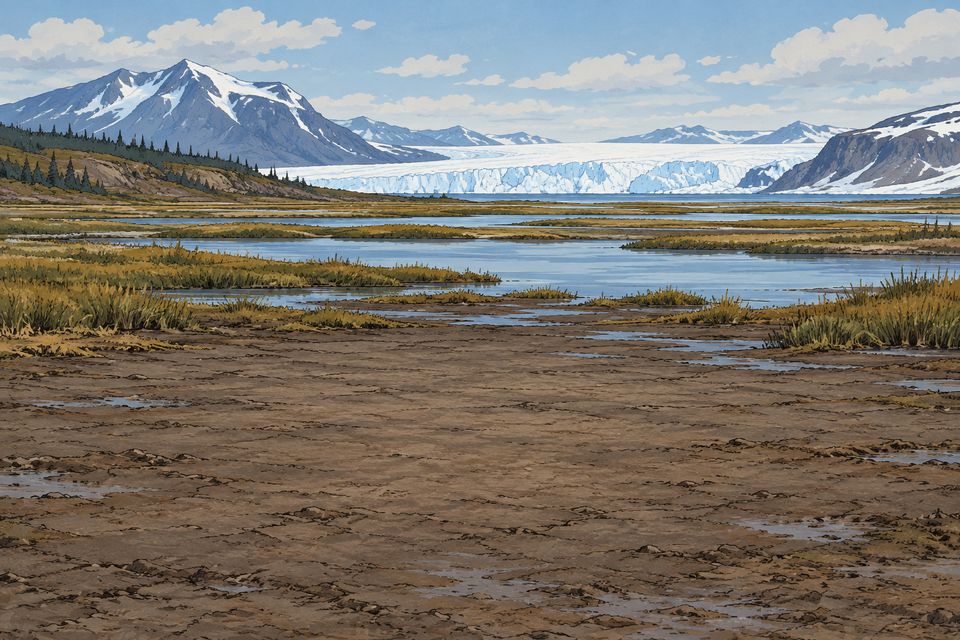
Your home was the lakes, ponds and swamps that spread across North America as glaciers advanced and retreated. In the water you would be relatively safe; on land you would be vulnerable to predators such as dire wolves and short-faced bears.
Disappearing with the wetlands
Castoroides lived from Alaska and the Yukon to Florida, with many fossils found around the Great Lakes. It died out around 10,000 years ago, likely because a warming, drying climate reduced its wetland habitat. The smaller modern North American beaver, able to build dams and create its own wetlands, survived.
Giant beavers appear in some Indigenous oral traditions of the Great Lakes region, though it is uncertain whether these stories describe Castoroides itself.