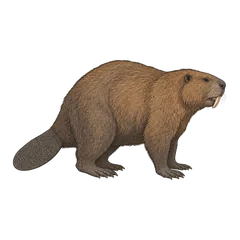
American mastodon
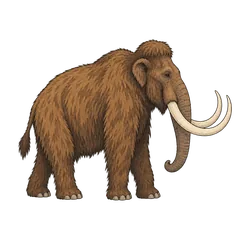
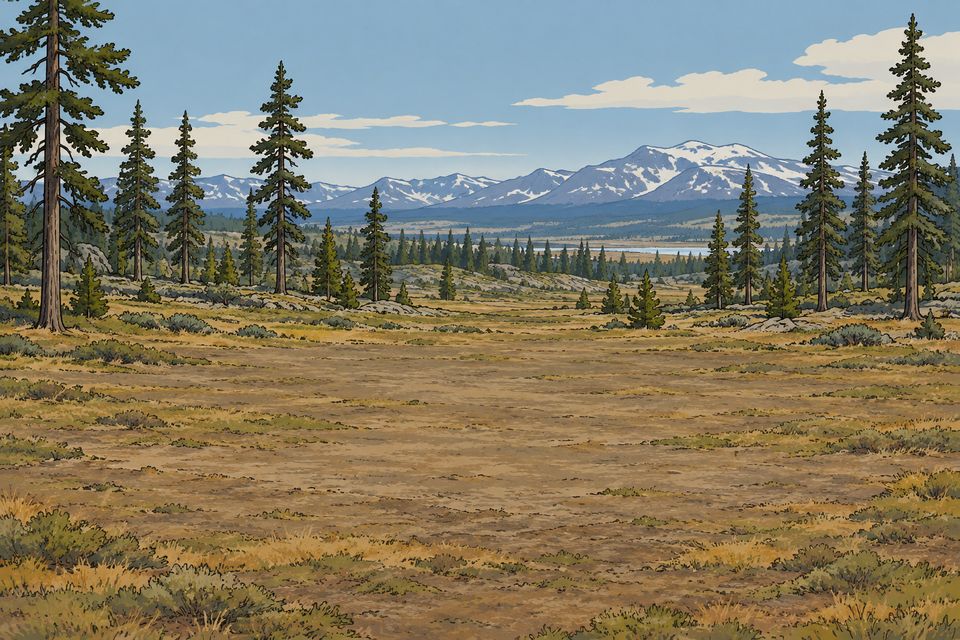
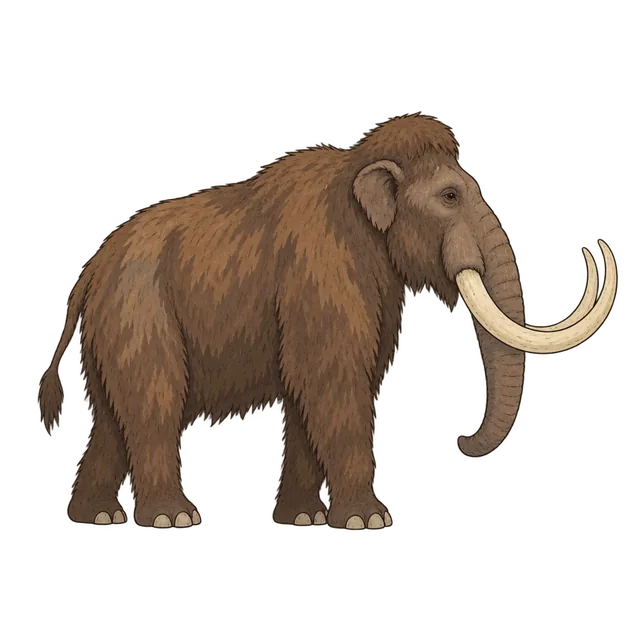
As a mastodon you would be a stocky, shaggy elephant relative browsing in the spruce forests and swamps of Ice Age North America, chewing twigs with teeth like rows of small cones.
Not quite a mammoth
The American mastodon, Mammut americanum, is often confused with the woolly mammoth, but the two were only distantly related, belonging to separate families. You would be shorter and more heavily built than a mammoth, about 2.3–2.8 m at the shoulder for males and weighing several tonnes. Your tusks were long and curved, and you probably had a coat of hair.
The name “mastodon” means “nipple tooth”, referring to the cone-shaped cusps on the molars – suited to crushing twigs, leaves and bark rather than grinding grass.
A life of browsing
You lived in forests, woodlands and wetlands, feeding on twigs, leaves, cones and other plants, as shown by plant remains preserved with skeletons. Mastodon tusks, like those of mammoths, record growth layers. Analysis of one male’s tusk from Indiana revealed that he regularly travelled to a specific area each year, possibly for mating, and was likely killed in a fight with another male, as shown by a wound in his skull.
Mastodons probably lived in small family groups led by females, like elephants, while males roamed alone or in small bachelor groups. Their teeth have helped scientists reconstruct the forests of Ice Age North America.
Fossils across the continent
Mastodons lived in North America for millions of years, from Alaska to Mexico, and were among the first fossils to fascinate scientists in the United States. Thomas Jefferson was keen to find living mastodons in the American West. They died out around 11,000 years ago, at the end of the last ice age, probably due to a combination of climate change and human hunting.