Space tourist
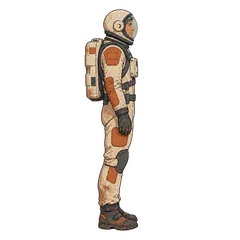
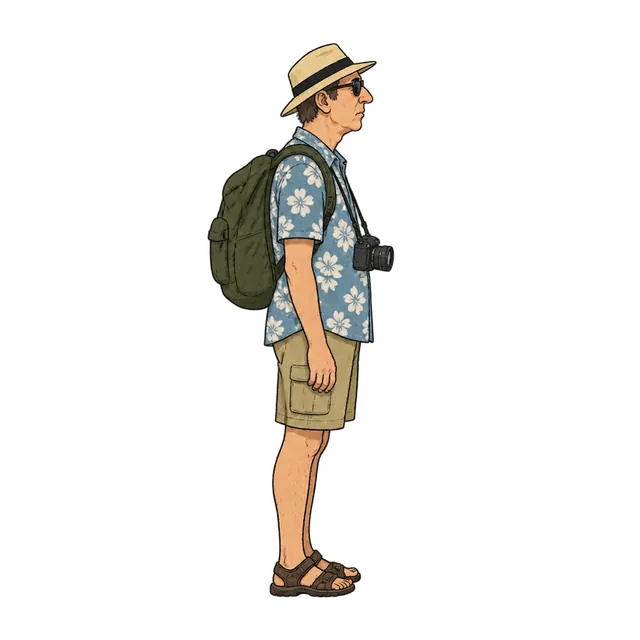
As one of the last tourists in a future of crowded orbits, you would be following a tradition that began with a single millionaire in 2001 – and you would still get space sick.
From one millionaire to a small industry
The first paying space tourist, the American businessman Dennis Tito, flew to the International Space Station aboard a Russian Soyuz in April 2001, reportedly paying about 20 million dollars. A handful of others followed through the 2000s. In 2021 the industry changed quickly: Virgin Galactic and Blue Origin flew their founders on suborbital hops, and SpaceX’s Inspiration4 sent an all-civilian crew into orbit for three days.
Suborbital trips give a few minutes of weightlessness and a view of Earth’s curve, crossing roughly 80–100 kilometres of altitude. Orbital stays cost far more; private missions to the ISS organised by Axiom Space began in 2022.
What your trip would feel like
Even short flights require training: medical checks, centrifuge sessions to experience high g-forces, and emergency procedures. During launch you would feel several times your normal weight. In orbit, many people suffer from space adaptation syndrome during the first days – nausea, disorientation and headaches – while fluids shift towards the head, giving a puffy face and a blocked nose.
Then comes the reward astronauts often describe, the overview effect: a powerful shift in perspective on seeing Earth as a whole, thin-skinned and borderless.
Why the last? (speculation)
The game calls you the last tourist, and there are plausible reasons a future might end tourism: risk, cost, environmental concerns about launches, or orbits too crowded with debris. Alternatively, travel could become routine enough that tourists stop being special. Either way, space travel remains dangerous: accidents have killed astronauts in the Challenger, Columbia and Soyuz 11 disasters, and the 2014 SpaceShipTwo crash killed a test pilot.