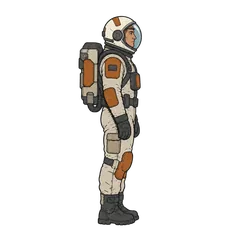
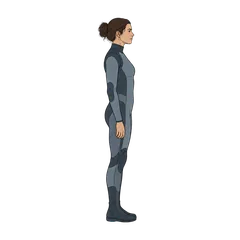
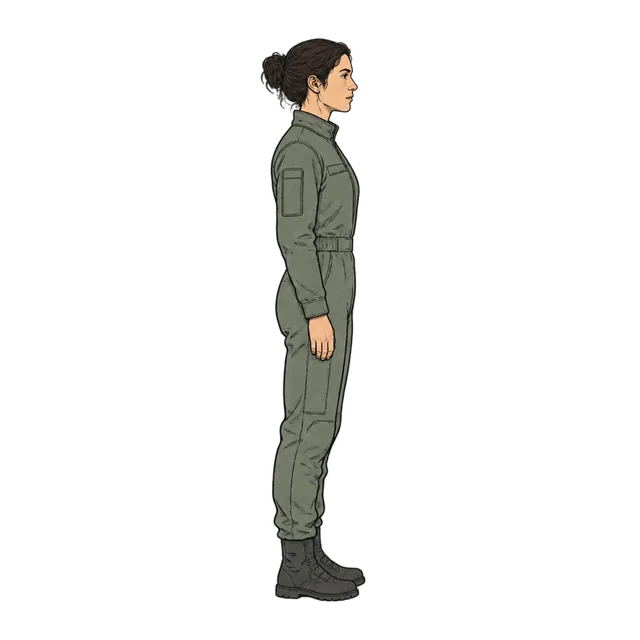
Xenobiologist
As a xenobiologist you would spend your career on a question nobody has yet answered – is there life beyond Earth? – and most of your working days making sure you are not fooling yourself.
A science still waiting for its subject
Today the field is usually called astrobiology, and it already exists without a single confirmed alien organism. Researchers study extremophiles – microbes living in boiling springs, Antarctic ice or deep rock – to learn where life’s limits lie, and design instruments to look for biosignatures: chemical, mineral or structural traces that only living things would leave.
The main targets are Mars, whose ancient lakebeds are being sampled by NASA’s Perseverance rover in Jezero Crater, and ocean moons: Jupiter’s Europa, being visited by NASA’s Europa Clipper and ESA’s JUICE missions, and Saturn’s Enceladus, which sprays water from a subsurface ocean into space.
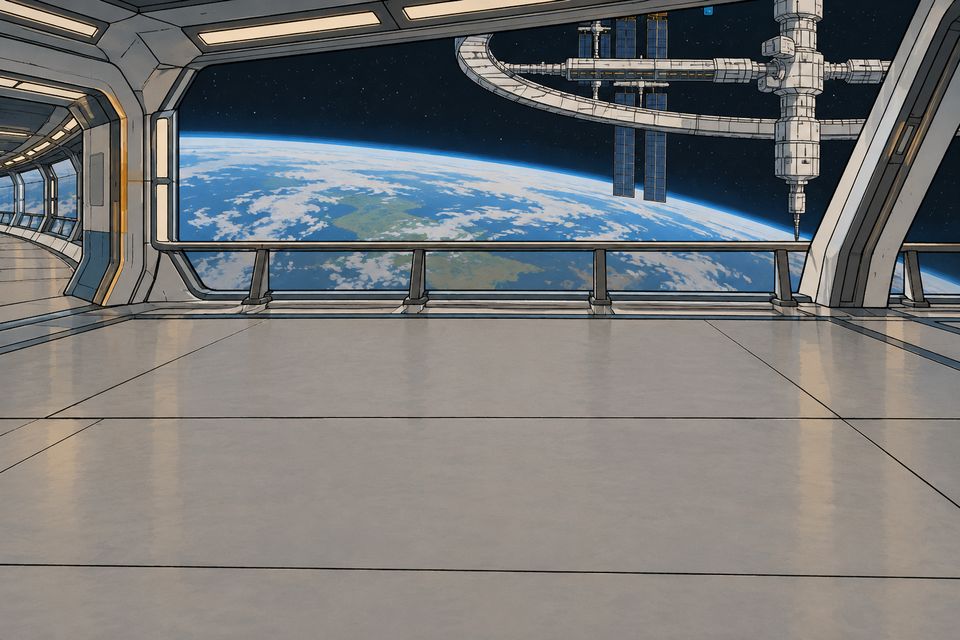
Working on a station (speculation)
A future xenobiologist on an orbital station would probably spend more time in a sealed laboratory than on an alien surface. Samples returned from Mars or an icy moon would be treated as potentially hazardous until proven otherwise, handled remotely in high-containment facilities, much like the strictest biological labs on Earth today. Orbit is one option planners have discussed for keeping Earth safe from any unknown biology.
Equally important would be the reverse problem: under the 1967 Outer Space Treaty and COSPAR planetary protection guidelines, missions must avoid contaminating other worlds with Earth microbes, which could produce false positives or harm native life.
How hard it is to say “alive”
History warns against excitement. In 1996 researchers proposed that structures in the Martian meteorite ALH84001 might be microfossils; most scientists now think non-biological processes explain them. Claimed detections of phosphine in Venus’s clouds in 2020 remain disputed. A xenobiologist’s real skill would be ruling out every non-living explanation – a slow, careful job that could take decades.