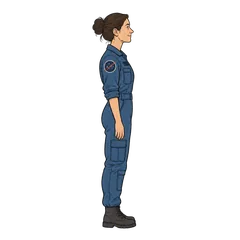
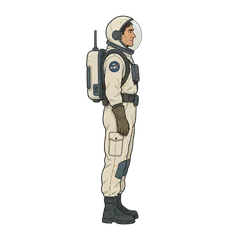
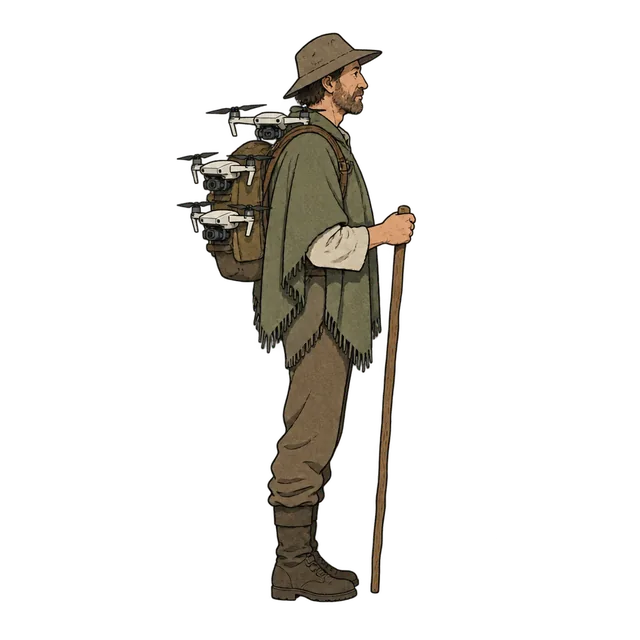
Drone shepherd
As a drone shepherd you would herd a flock that never eats grass but constantly needs charging – and that may struggle to stay in the air over Mars.
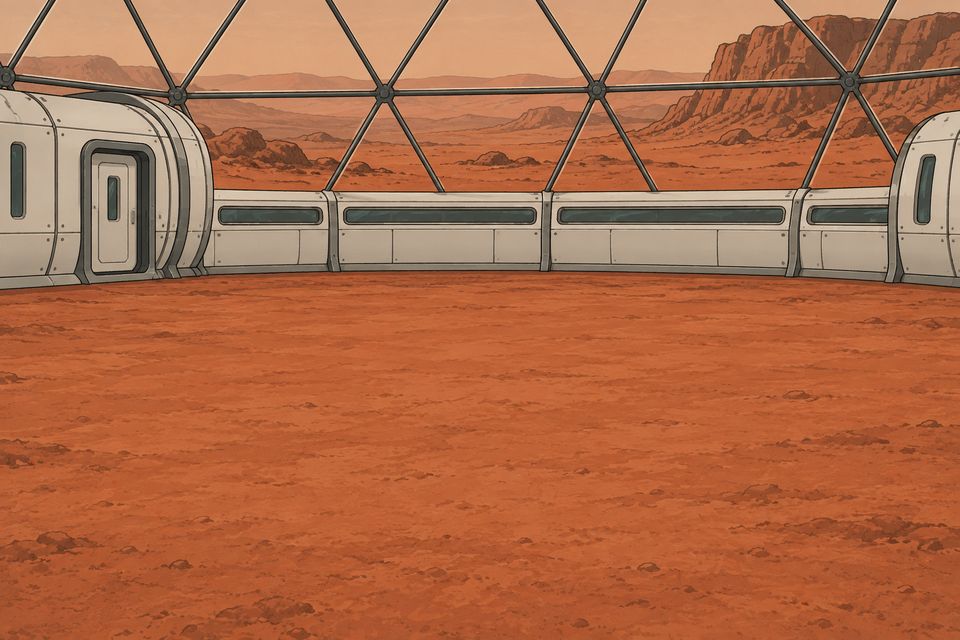
Proof that flight on Mars works
In April 2021 NASA’s Ingenuity helicopter, weighing about 1.8 kilograms, made the first powered, controlled flight on another planet, rising about three metres above Jezero Crater. Planned as a five-flight technology demonstration, it flew 72 times over nearly three years and covered about 17 kilometres before damage to its rotor blades ended the mission in January 2024.
Flying on Mars is hard because the air is about 1 per cent as dense as Earth’s. Ingenuity’s rotors had to spin at around 2,400 revolutions per minute, far faster than a helicopter’s on Earth, and its batteries were recharged by a small solar panel.
Herding the flock (speculation)
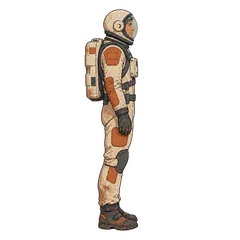
In a future settlement, drones could scout routes for rovers, map terrain and ice deposits, inspect solar farms and habitat exteriors, carry small samples or parts, and search for lost equipment. A drone shepherd would plan flights, watch weather and battery levels, swap parts, recover crashed units and decide which tasks were worth the risk.
Much of the work would be supervision rather than steering: with radio delays to Earth of several minutes, Martian drones must navigate on their own, as Ingenuity did, using cameras to track the ground. Swarm-control research on Earth suggests one person could oversee many aircraft at once, intervening only when something goes wrong.
Weather and wear
Dust is the enemy. Fine particles scratch moving parts and coat solar panels, and seasonal dust storms can block sunlight for weeks – a global storm in 2018 ended the solar-powered Opportunity rover’s mission. Cold nights below −80 °C drain batteries, so drones would need heated shelters. A shepherd’s worst day might be counting the flock after a storm and finding some units missing for good.