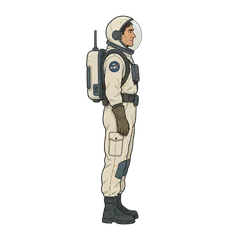
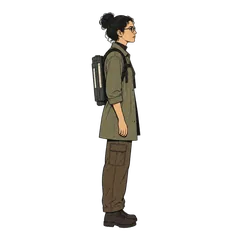
Station medic
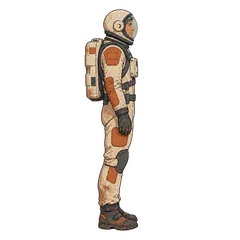
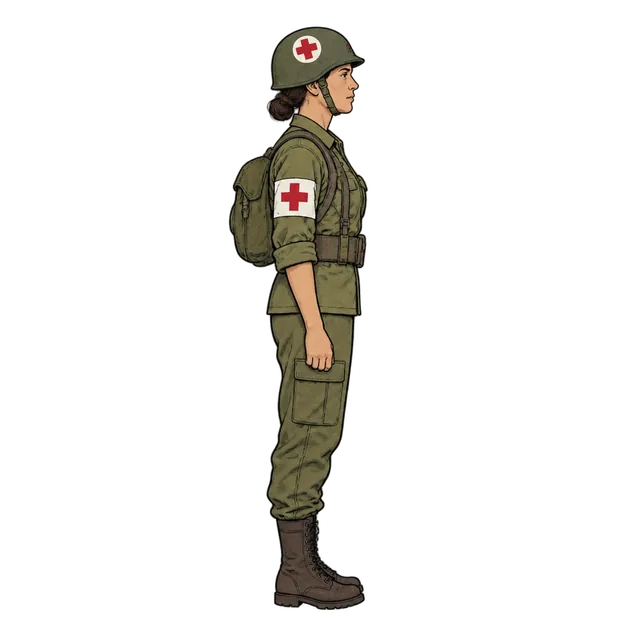
As a station medic you would be the whole hospital – doctor, pharmacist, dentist and surgeon – for people whose bodies are slowly changing in ways medicine is still mapping.
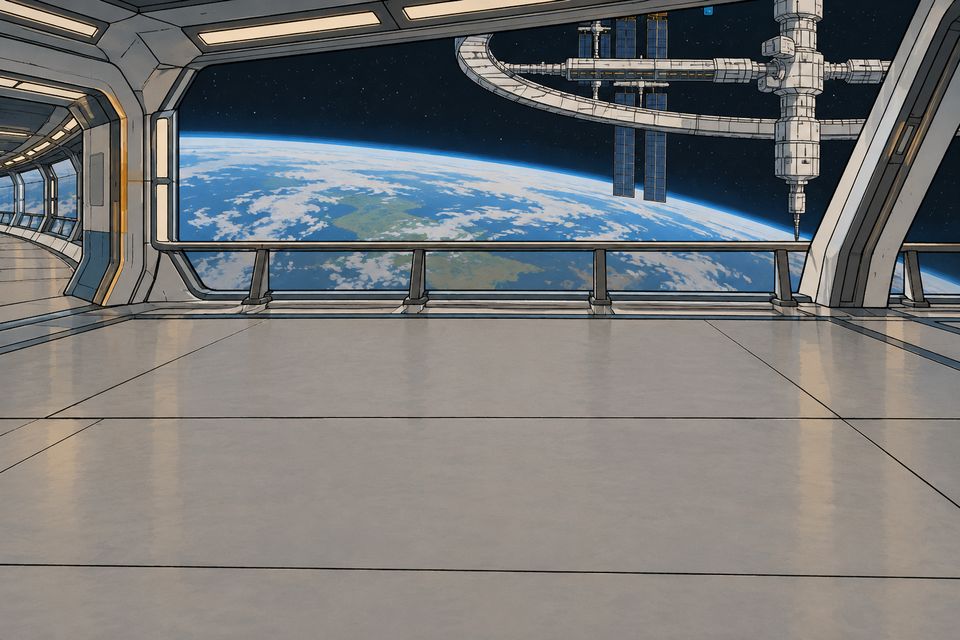
How space changes the body
Weightlessness affects nearly every system. Without regular loading, astronauts can lose roughly 1–1.5 per cent of bone mass in weight-bearing bones per month, and muscles weaken unless they exercise for around two hours a day. Fluids shift towards the head, and many long-duration crew members develop vision changes linked to swelling at the back of the eye, a condition NASA calls SANS, spaceflight-associated neuro-ocular syndrome.
Radiation exposure is higher than on Earth, raising long-term cancer risk. NASA’s Twins Study, comparing Scott Kelly after nearly a year on the ISS with his identical twin Mark on Earth, found many changes in gene expression and the immune system, most of which returned to normal after landing.
Medicine with limited tools
Current ISS crews usually include no full-time physician; one or two astronauts are trained as crew medical officers and work with flight surgeons on the ground. Kits contain drugs, an ultrasound, defibrillator and dental supplies. Serious emergencies would mean evacuation to Earth, which from the ISS takes hours. In a case published in 2020, a blood clot in an astronaut’s jugular vein was found by ultrasound in orbit and treated with blood thinners guided remotely by doctors on Earth.
Even medicines face problems: some drugs degrade faster in space, and the body may process them differently.
The future clinic (speculation)
On a larger station, or a ship to Mars where returning to Earth is impossible, a medic would need to handle surgery, fractures, infections and mental health crises alone. Research is exploring surgical robots, AI diagnostic support and on-demand manufacturing of drugs and supplies. Surgery would be difficult: in weightlessness, blood forms floating droplets rather than pooling, so wounds would need sealed enclosures. Prevention – exercise, diet and screening – would remain the medic’s main tool.