Dimetrodon
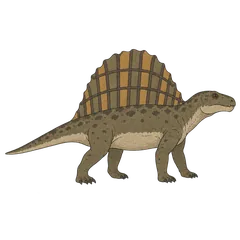
As Dimetrodon you would be the top predator of an early Permian floodplain – and, despite what toy boxes say, much more closely related to mammals than to any dinosaur.
Not a dinosaur
Dimetrodon lived about 295–272 million years ago, roughly 40 million years before the first dinosaurs. It was a synapsid, part of the lineage that eventually led to mammals. One clue is in the skull: a single opening behind each eye socket, the same arrangement mammals inherited. The name means “two measures of teeth”, because you had both large, stabbing front teeth and smaller cutting ones behind – an early step towards differentiated teeth.
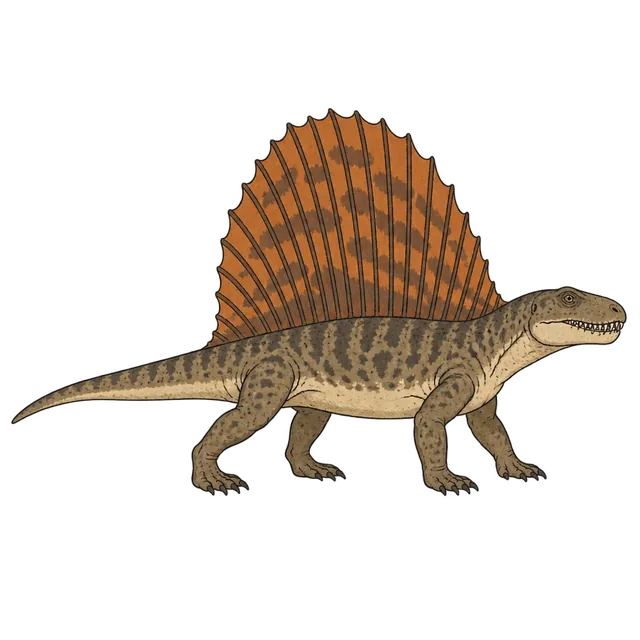
Depending on the species, you could be anywhere from about 1.7 to more than 4 m long, with a sprawling posture and a large head.
What the sail was for
Your back carried a tall sail supported by elongated spines from the vertebrae. For a long time it was thought to regulate body temperature, warming you in the morning sun. That idea is now questioned, partly because small species with sails would gain little from it. Many researchers today favour display – showing off to rivals and mates – though the question is not settled.
Hunting on the floodplain
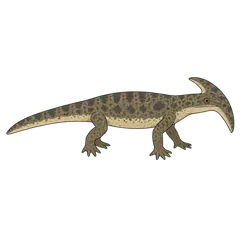
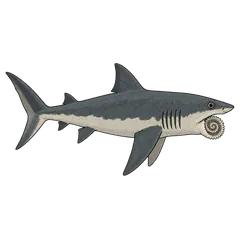
You would hunt in a world of rivers, ponds and seasonal dry spells, in what is now Texas and Oklahoma. Analysis of fossil sites suggests the Dimetrodon diet included many aquatic animals such as sharks like Xenacanthus, amphibians like Diplocaulus, and other vertebrates. Dimetrodon fossils have also been found in Germany. Dimetrodon itself had few predators as an adult, but juveniles were vulnerable to larger relatives.
Your teeth were replaced continually throughout life, and some species had serrated edges like steak knives, an early example of this feature in land predators.