Arthropleura
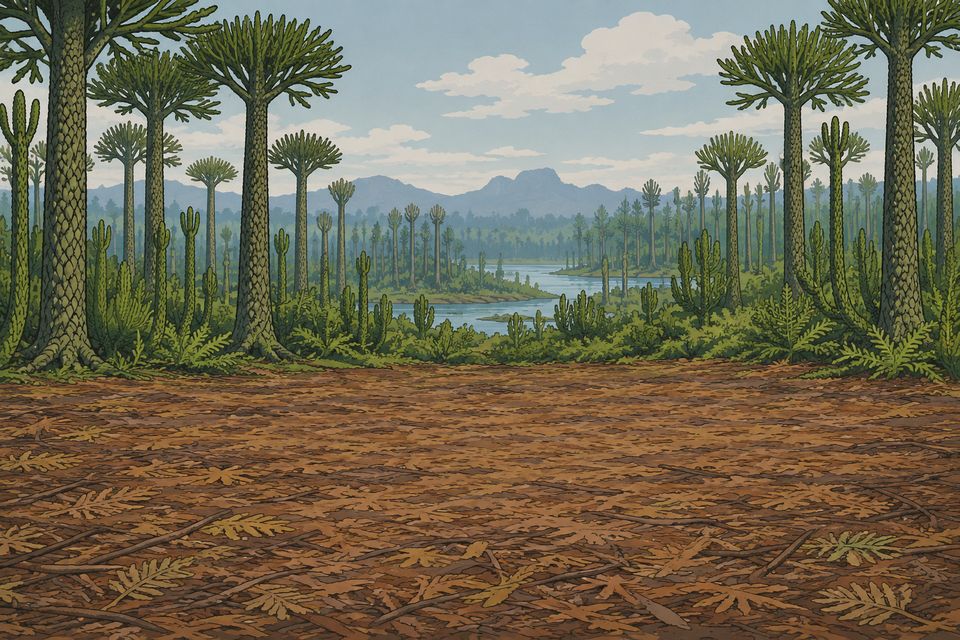
Reborn as Arthropleura, you would be a millipede the length of a small car, rumbling across the floor of a coal-swamp forest with nothing much brave enough to bother you.
The largest land arthropod
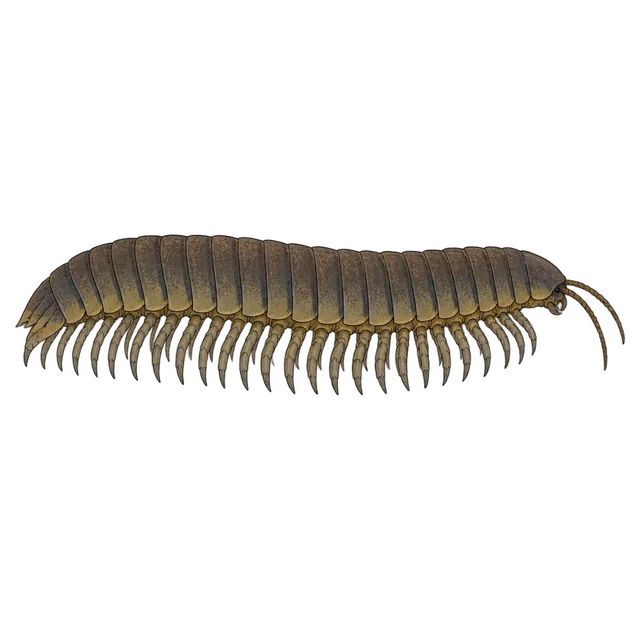
Arthropleura was a giant myriapod, a relative of millipedes. The biggest individuals reached an estimated 2.6 m long and around 50 cm wide, with dozens of body segments, each protected by broad plates and carrying pairs of legs. For a long time, its head was unknown; complete juvenile specimens from France, described in 2024, showed a head with features of both millipedes and centipedes, including stalked eyes.
What you ate
Despite the size, there is no evidence Arthropleura was a fearsome predator. Fragments of plant material and spores found with fossils suggest it fed on rotting vegetation, seeds or ferns, like many millipedes do today. Some researchers have suggested it also took small animals, but the plant-eating picture is the more widely accepted one.
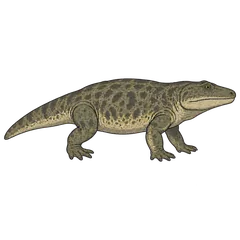
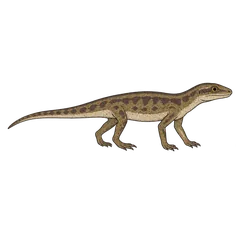
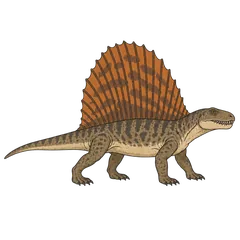
Your size alone would protect you from most threats. The largest land predators of the time were early amphibians and reptiles, and few were big enough to tackle a fully grown Arthropleura. With dozens of legs moving in waves, you would be a steady walker rather than a sprinter, ambling across open ground between stands of trees.
Tracks in the coal forest
Arthropleura lived about 345–290 million years ago, from the Carboniferous into the early Permian, in what is now North America and Europe. Trackways up to around 50 cm wide, with parallel rows of footprints, have been found in places such as Scotland, England and Nova Scotia. A large specimen found on a beach in Northumberland, England, in 2018 is thought to be a moulted exoskeleton. It disappeared as the warm, wet coal forests broke up into drier landscapes.