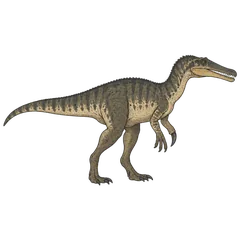
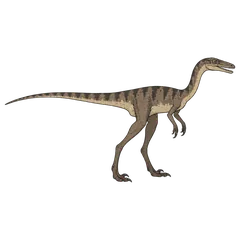
Utahraptor
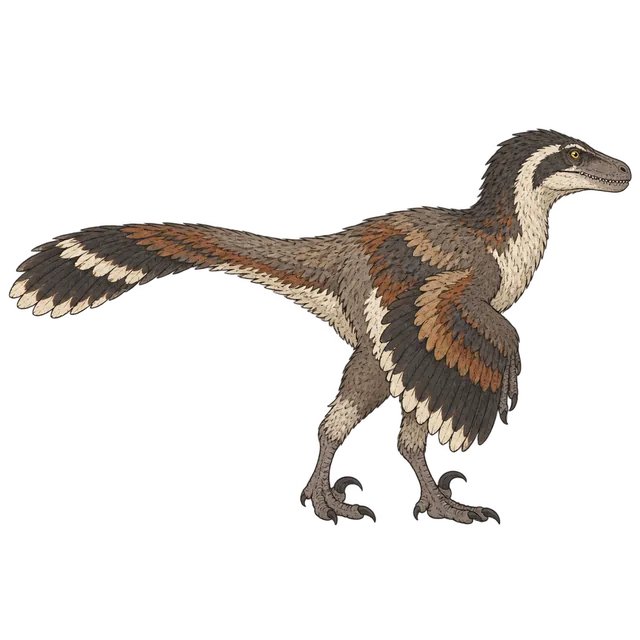
Pick Utahraptor on the wheel and you become the heavyweight of the raptor family – roughly polar-bear weight, covered in feathers and carrying a foot claw longer than a kitchen knife blade.
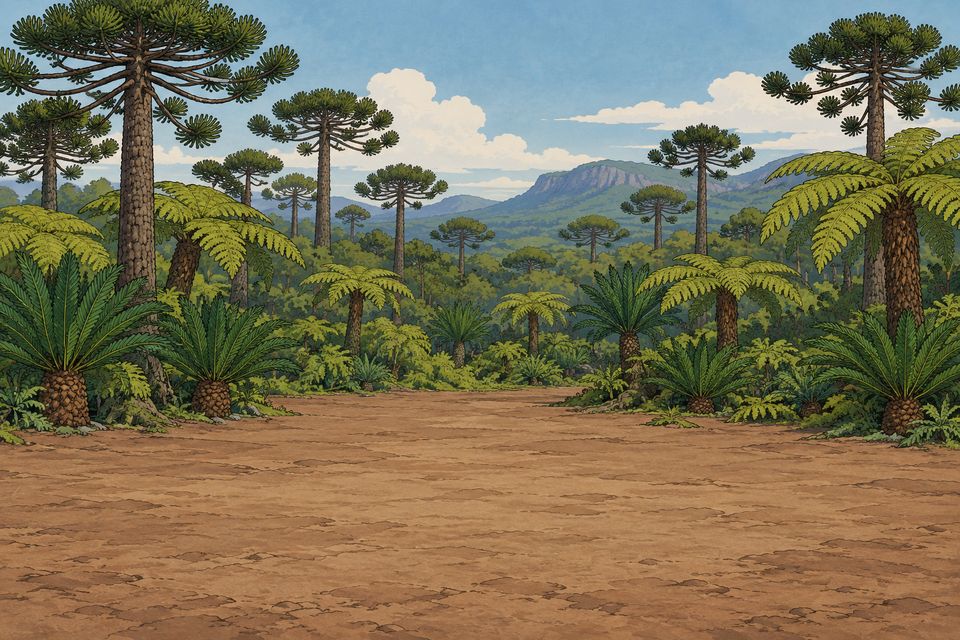
Utah in the Early Cretaceous
You live in the Early Cretaceous, in rocks of the Yellow Cat Member of the Cedar Mountain Formation in eastern Utah. Dating is still being refined, but the layer is generally placed around 135–130 million years old. The climate is seasonal and fairly dry, with rivers, lakes and open woodland. Neighbours include iguanodont plant-eaters, sauropods and the spiky armoured Gastonia.
You are about 5–6 metres long and estimated at 300–500 kilograms. Unlike the slender Velociraptor, your legs are short and powerful – built for strength and ambush more than long chases.
The quicksand block
In 2001 a geology student spotted a bone sticking out of a hillside near Moab. It turned out to belong to a sandstone megablock weighing around nine tonnes and packed with Utahraptor skeletons of different ages, from hatchlings to adults, together with a plant-eating iguanodont. One explanation is that the animals became stuck in quicksand, perhaps drawn in by a trapped meal. Preparing the block is a slow, ongoing job, and it may reveal much about how your kind grew and whether it lived in groups.
Armed and feathered
Your second-toe claw measured roughly 22–24 centimetres along its curve, including the estimated keratin sheath. Feathers have not been preserved on any Utahraptor bone, but all close relatives found in fine-grained rock had them, so you almost certainly did too.
Your daily life probably involved ambush rather than pursuit: waiting near water or in vegetation, then using your weight and both feet to bring down iguanodonts several times your size. Utahraptor’s skull was deeper and sturdier than Velociraptor’s, suggesting stronger bites too.