Deinonychus
Reborn as Deinonychus, you would be the animal that convinced scientists dinosaurs were active and bird-like – and, decades later, the real model for the big raptors in Jurassic Park.
Early Cretaceous Montana
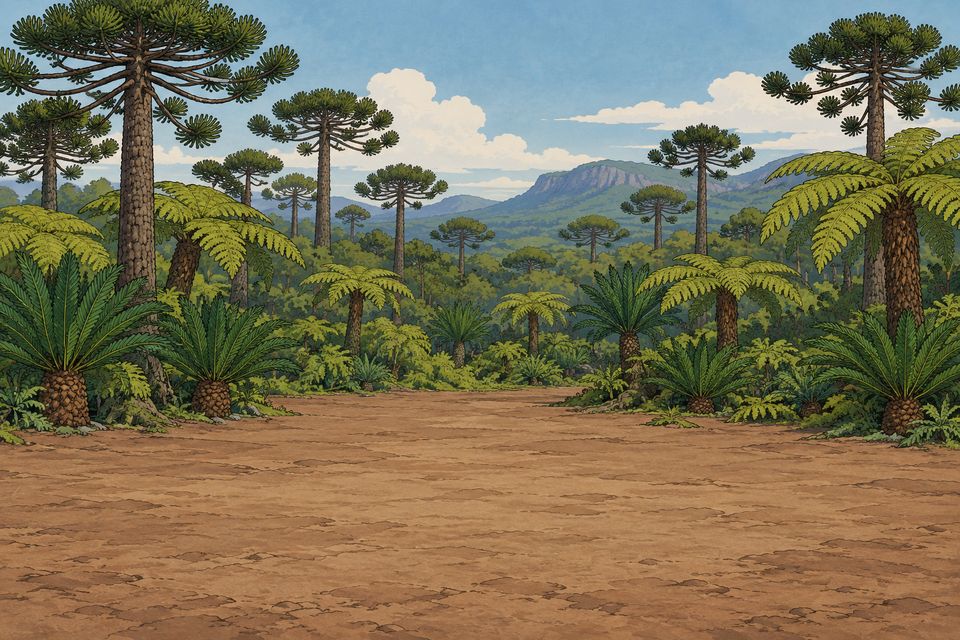
You live roughly 115–108 million years ago on the warm, wet floodplains of western North America, in rocks now called the Cloverly Formation of Montana and Wyoming. Forests of conifers and ferns line meandering rivers, and the commonest large plant-eater around is Tenontosaurus, a long-tailed ornithopod several times your weight.
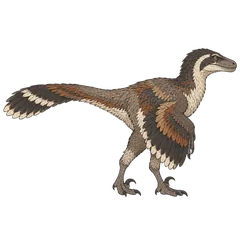
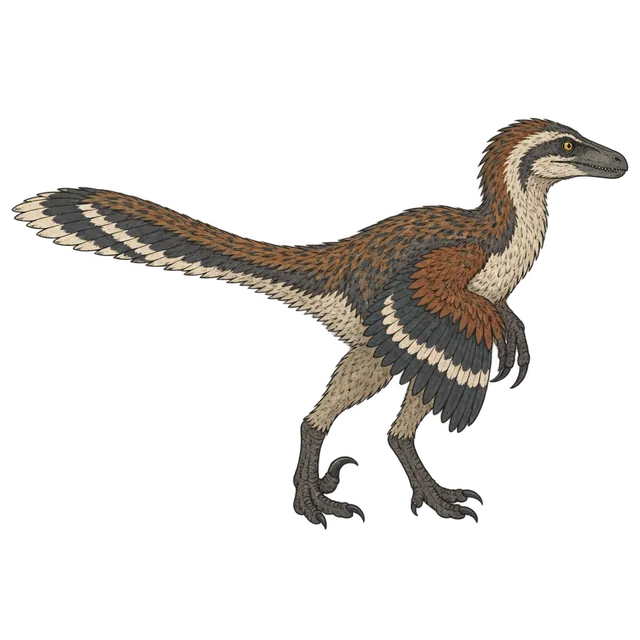
You are about 3–3.4 metres long and an estimated 60–100 kilograms, with long grasping arms, feathers, a stiffened tail for balance and a sickle claw around 12 centimetres long on each foot.
Pack hunter or mob?
Several Deinonychus skeletons have been found with Tenontosaurus remains, which led to the classic image of a coordinated wolf-like pack. Many researchers now think that scene looks more like Komodo dragons or crocodiles: loosely gathered individuals feeding at the same carcass, sometimes injuring or eating each other. Tooth chemistry studies hint that young and adult Deinonychus ate different food, which fits poorly with wolf-style family packs. The debate is not settled.
Leg proportions and claw shape suggest you leapt onto prey and pinned it, using flapping arms for balance.
The fossil that changed the picture
When John Ostrom described Deinonychus in 1969, he argued that such an agile, bird-like predator must have been active and warm-blooded. That paper helped launch the Dinosaur Renaissance and revived the idea that birds descend from dinosaurs, now firmly established.
Eggshell found near a Deinonychus specimen suggests that, like its oviraptorid cousins, it may have sat on its eggs. A 2018 pigment study suggested the eggs were probably bluish rather than plain white, a trait later seen in many birds.