Mosquito
As a mosquito you would begin life hanging upside down from the surface of a puddle, breathing through a snorkel in your tail.
Childhood in standing water
Mosquitoes need still water to breed: ponds, ditches, flooded meadows, but also rain barrels, blocked gutters and old tyres, which is how they thrive in villages and cities alike. The common house mosquito, Culex pipiens, lays eggs in floating rafts of a hundred or more. Larvae filter bacteria and algae from the water and breathe through a siphon poking through the surface film. The comma-shaped pupa does not eat at all; it tumbles away from danger, then splits open so the adult can climb out on the surface.
In warm weather the whole aquatic stage can take about a week or two. Fish, dragonfly nymphs, water beetles and drying puddles kill most of your siblings.
Females bite, males don’t
If you were male, life would be short and gentle: a week or so of drinking nectar and joining mating swarms at dusk. Females also drink nectar for energy, but they need protein from blood to mature their eggs. You would track hosts first by the carbon dioxide in their breath, detectable from many metres away, then by heat, skin odours and moisture up close.
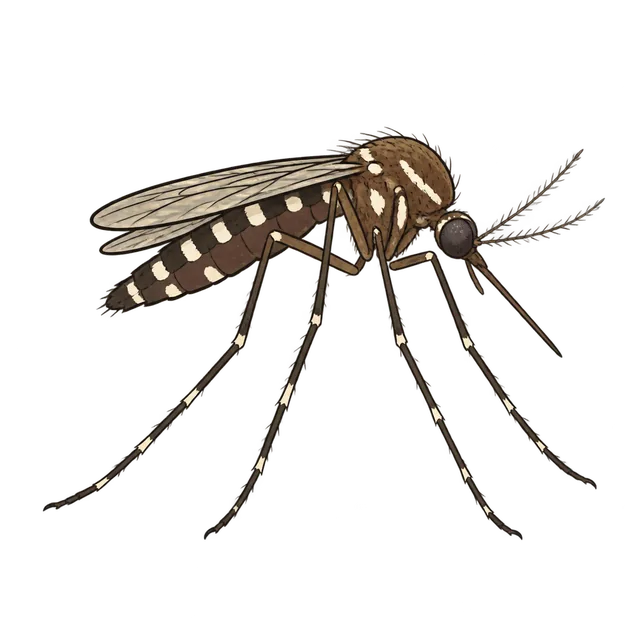
Your mouth is a bundle of fine needles. You probe for a capillary and inject saliva containing anticoagulants. The itchy bump is the host’s immune reaction to that saliva. Your wings beat several hundred times per second, producing the whine people hear at night.
A tiny animal with a huge record
By transmitting malaria, dengue, West Nile virus and other diseases, mosquitoes are responsible for more human deaths than any other animal. A female typically lives a few weeks; she ends up swatted, eaten by a swallow or bat, or killed by the first frosts unless she overwinters in a cellar.