Black garden ant
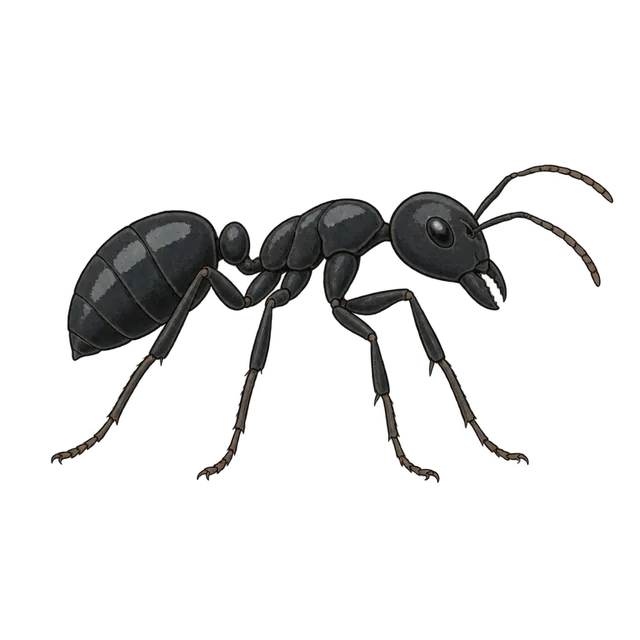
Reborn as a black garden ant, you would almost certainly be a sterile female worker – one of thousands of sisters serving a single, long-lived mother.

One mother, thousands of daughters
Lasius niger is the small, shiny black ant of lawns, flowerbeds, pavement cracks and the edges of fields. A colony begins with a single queen who, after her mating flight, breaks off her wings, seals herself underground and raises her first brood alone on her own body reserves. Within a few years the nest can hold several thousand workers.
As a worker you would be 3–5 mm long, wingless and unable to reproduce. Young workers stay inside caring for eggs, larvae and pupae; older ones take the dangerous outdoor jobs. Laboratory studies suggest workers can live for a year or more, while queens are among the longest-lived insects known: one captive queen lived about 29 years.
Following the scent
Your world is chemical. When a forager finds food she lays a pheromone trail back to the nest, and the more ants that use the route, the stronger it gets. Colony members recognise each other by the hydrocarbon scent on their bodies, and strangers are attacked.
Black garden ants have a famous side business: aphid herding. They stroke aphids with their antennae to collect honeydew, a sugary liquid, and in return protect them from ladybirds and other predators, sometimes even sheltering them in the nest.
Flying ant day
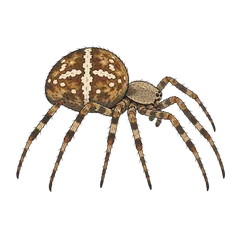
On warm, humid days in mid to late summer, many colonies release winged young queens and males at roughly the same time, filling the air with swarms. Males die soon after mating. For workers, danger comes from birds, spiders, rival colonies, rain flooding the nest and the soles of passing shoes, but the colony as a whole can outlive many generations of its members.