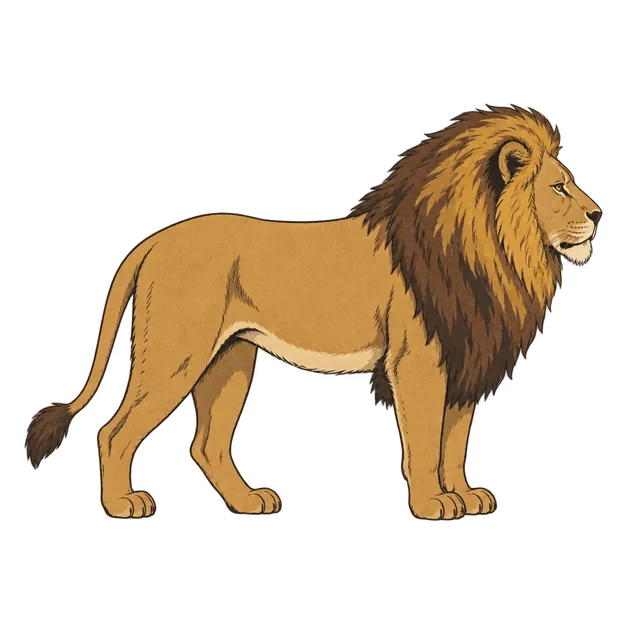
African lion
As a maned male lion you would sleep most of the day – and spend the rest defending a kingdom you might hold for only a few years.
The only social cat
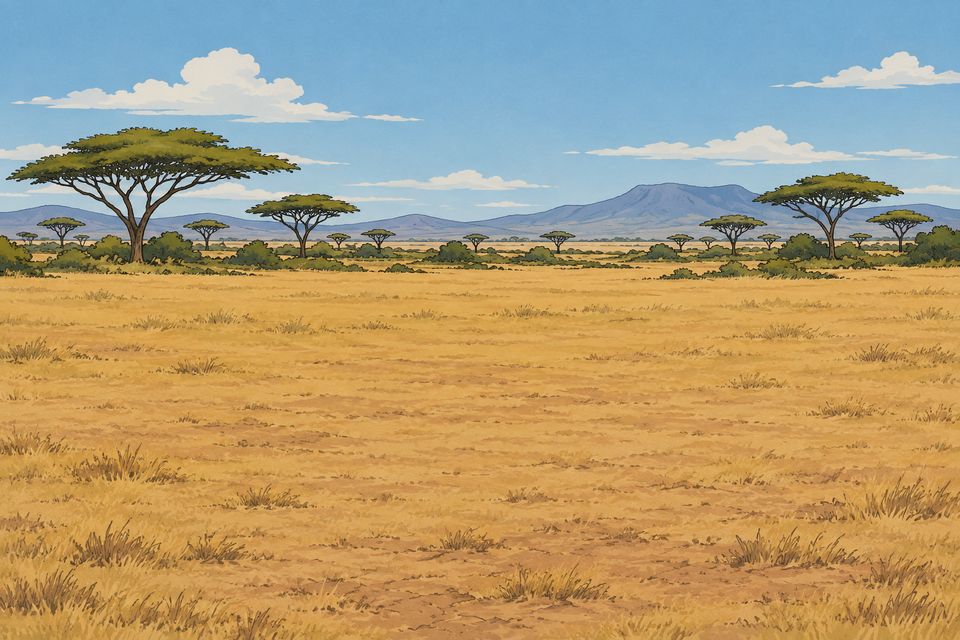
Lions, Panthera leo, live mainly in the savannas and grasslands of sub-Saharan Africa, with a small population of Asiatic lions in India’s Gir Forest. They are the only truly social wild cats. A pride typically consists of related females and their cubs, plus one or a coalition of a few males. An adult male weighs about 150–250 kg, notably more than females.
Your mane would be more than decoration. Research in Tanzania’s Serengeti found that females prefer males with darker manes, which signal good condition, and rival males are more cautious around them. Darker manes also hold more heat, a cost in hot weather.
Roars, rest and hunting
Lions are inactive for most of the day, resting or sleeping up to around 20 hours. Your roar, audible up to about 8 km away, announces your territory to rivals. Lionesses do most of the hunting, often cooperatively at night or dusk, targeting wildebeest, zebra, buffalo and antelopes. Males hunt too, especially larger prey such as buffalo, and are often first to eat at a kill. A male can eat several tens of kilograms of meat in one meal.
Your main job is keeping your pride and territory. Males patrol, scent-mark and fight intruders, and these fights can be fatal.
A short reign
Male lions leave their birth pride at around two to four years old, then often live as nomads with brothers or other young males until they can challenge pride holders. A typical tenure lasts only a few years. When a new coalition takes over, they often kill young cubs, bringing the females back into breeding condition sooner. Ousted males rarely regain a pride and may die from injuries or starvation. Males in the wild seldom live beyond 10–12 years, while females can reach around 15. Lion numbers have fallen sharply over the last century; the IUCN lists the species as Vulnerable, with perhaps 20,000–25,000 left in Africa.