Eurypterid (sea scorpion)
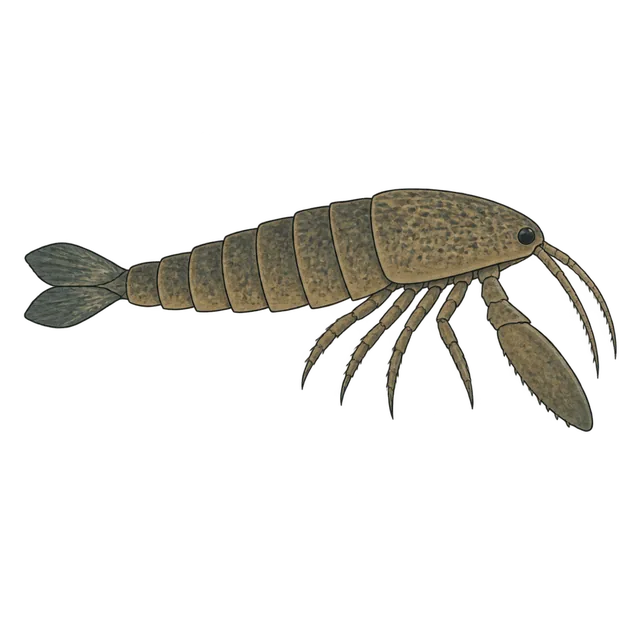
Reborn as a eurypterid, you would be a “sea scorpion” – a jointed, armoured hunter sculling through Silurian lagoons with a pair of paddle-shaped legs.
Not quite scorpions
Eurypterids were aquatic arthropods related to scorpions, spiders and horseshoe crabs. They lived from the Ordovician to the end of the Permian, but were especially abundant in the Silurian, about 443–419 million years ago. Most were 10–20 cm long. A few became giants: Jaekelopterus rhenaniae, known from a claw found in Germany, is estimated at about 2.5 m long, making it one of the largest arthropods that ever lived.
Your body had a head shield with eyes, a segmented abdomen and a tail spine called a telson – usually not a stinger. In many species the last pair of legs was flattened into paddles for swimming. Your eyes were compound, like an insect’s, and some species had excellent vision for spotting prey in clear, shallow water.
Hunting and moulting
Depending on the species, you could be an active predator seizing fish and other arthropods with spiny front limbs or large claws, or a sweep-feeder raking the sediment for small animals. Like all arthropods, you had to moult to grow, and many eurypterid fossils are actually shed skins.
Fossil evidence suggests that some eurypterids gathered in shallow waters in large numbers, perhaps to moult and mate in relative safety, as horseshoe crabs do today.
Lagoons of New York
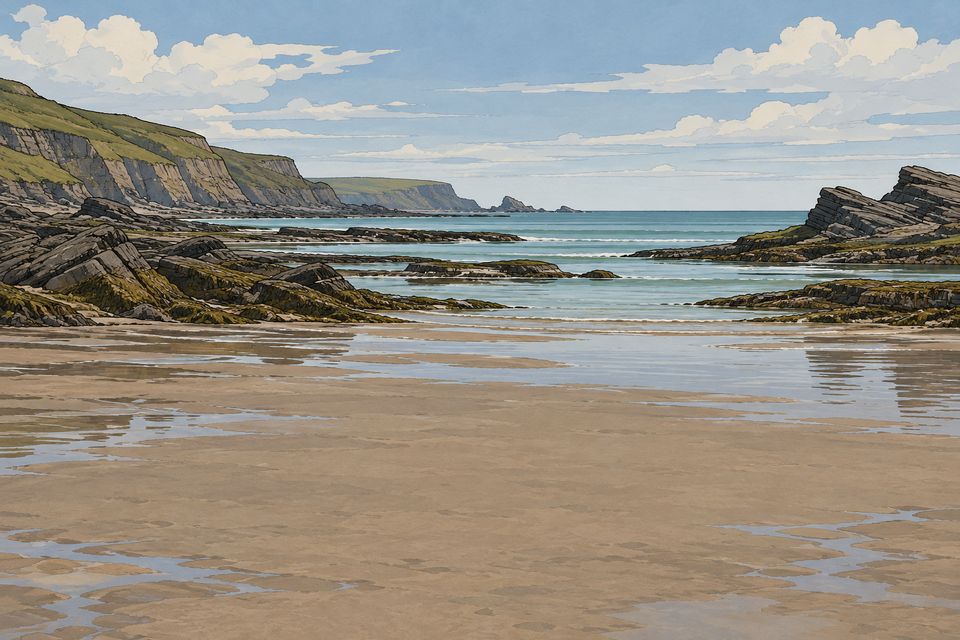
Many beautifully preserved eurypterids come from the Silurian Bertie Group in New York State, where they lived in salty, shallow lagoons. Eurypterus remipes is New York’s official state fossil. Eurypterids gradually moved into brackish and fresh water during the Devonian and Carboniferous and disappeared at the end-Permian extinction, about 252 million years ago.