African elephant
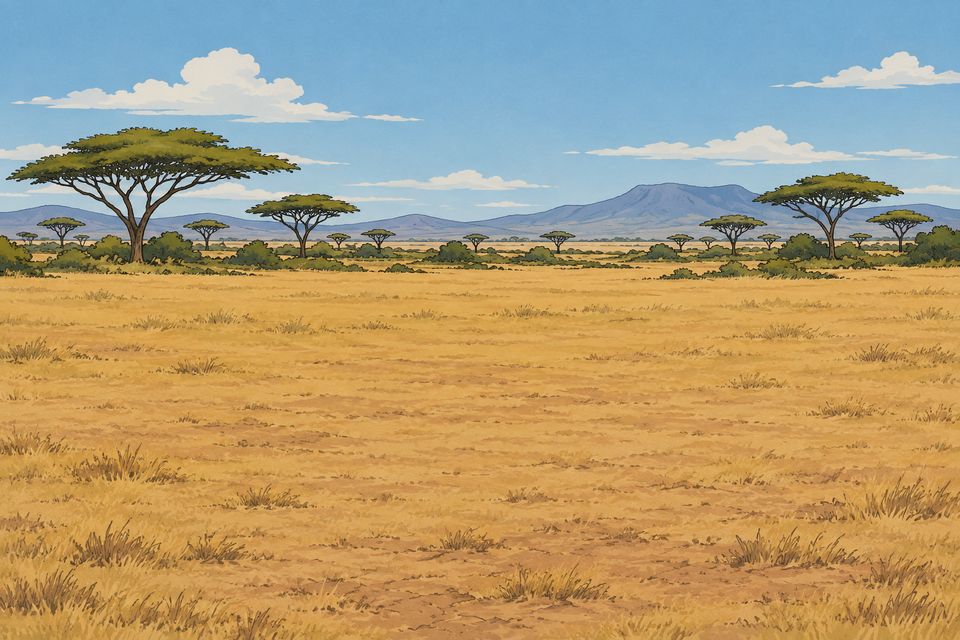
As an African elephant you would follow your grandmother’s memory to water during a drought – and talk to relatives kilometres away in rumbles too deep for humans to hear.
The largest animal on land
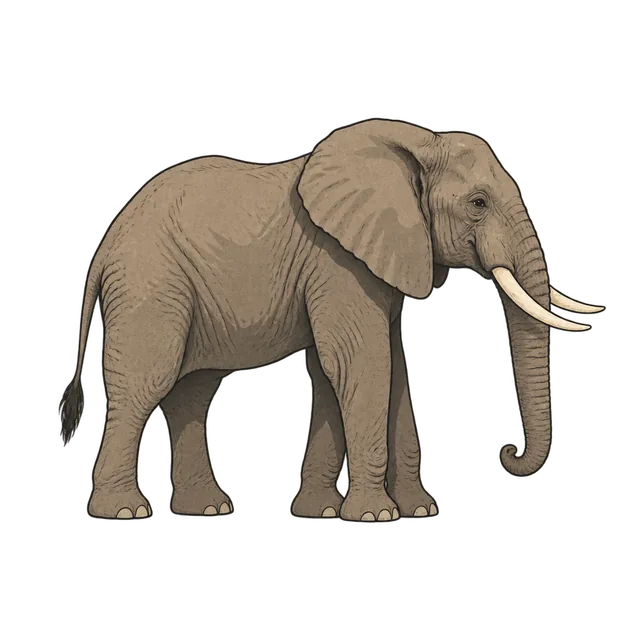
The African savanna elephant, Loxodonta africana, is the largest living land animal: adult males typically weigh about 5–6 tonnes and stand around 3–3.5 m at the shoulder; females are smaller. A separate species, the African forest elephant, lives in the rainforests of Central and West Africa. Your huge ears would act as radiators, shedding heat as you flap them. Both sexes carry tusks, which are enlarged incisors.
Your trunk combines nose and upper lip and contains tens of thousands of muscle units. It can lift heavy logs or pick up a single fruit, suck up several litres of water at a time and smell water and food from far away.
A matriarchal society
Female elephants live in family herds led by the oldest female, the matriarch, whose knowledge of water sources and dangers helps the group survive. Young males leave in their teens and later live alone or in bachelor groups, periodically entering musth, a state of high testosterone and aggression. Elephants communicate with infrasonic rumbles that can carry several kilometres, and they detect vibrations through their feet. They show strong interest in the bones of dead elephants.
You would spend most of the day eating: grasses, leaves, bark, roots and fruit, roughly 100–200 kg a day, and drink up to 200 litres when water is available.
Long childhood, threatened future
Pregnancy lasts about 22 months, the longest of any mammal, and calves weigh around 100 kg at birth. They nurse for years and are cared for by the whole family. Adult elephants have few natural predators, though lions sometimes take calves. The major threats are humans: poaching for ivory, which caused severe declines in the 1970s–80s and again after 2008, and loss of habitat. In 2021 the IUCN classed the savanna elephant as Endangered. Elephants can live 60–70 years; old age often ends when their last set of molars wears down.