Yutyrannus
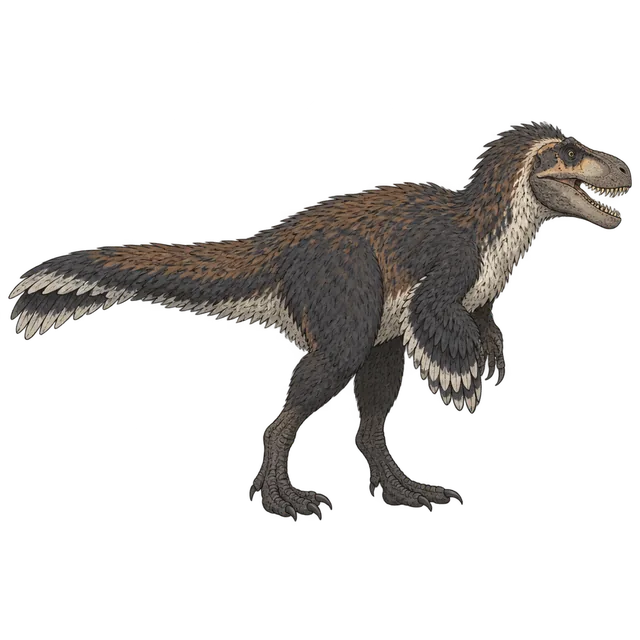
As a Yutyrannus you would be a 9-metre predator wrapped in a shaggy coat of feathers – handy, since your corner of Early Cretaceous China was surprisingly chilly.
A cool Cretaceous
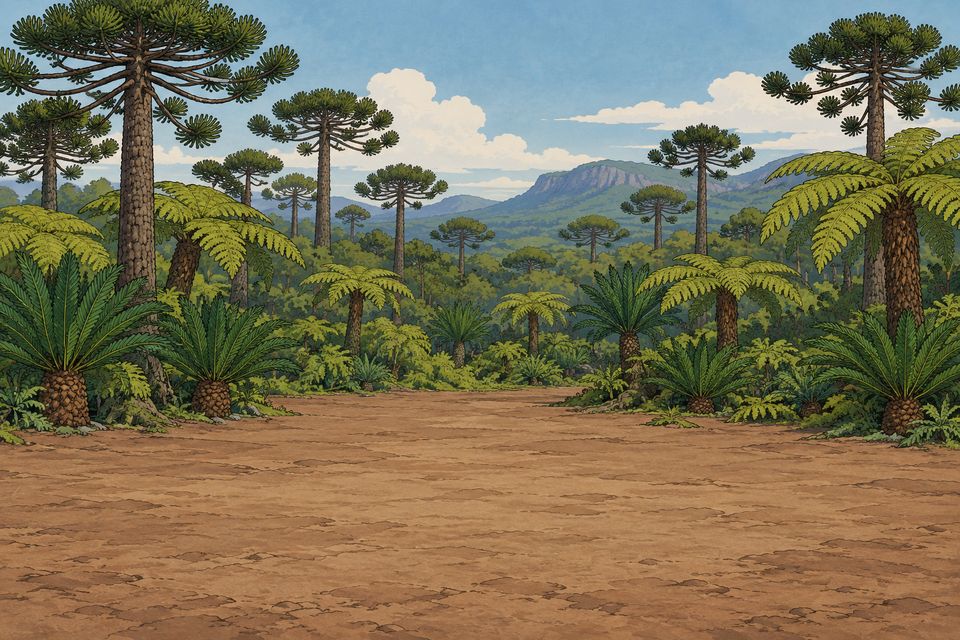
You live around 125 million years ago in north-eastern China, in rocks of the Yixian Formation. While much of the Cretaceous world was hot, this region had cool temperatures, with average annual temperatures estimated at around 10 °C. Volcanic ash buried lakes and forests, preserving feathers, fur and even stomach contents in remarkable detail. Your possible prey included sauropods and ornithopods; smaller neighbours included Psittacosaurus and many feathered dinosaurs.
The feathered tyrant
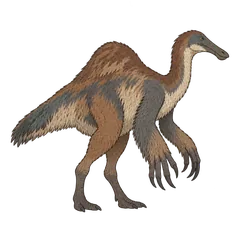
You are an early relative of Tyrannosaurus, about 9 metres long and estimated at around 1.4 tonnes. Unlike T. rex, you still have three fingers, and a low crest runs along your snout. Your body was covered in long, simple filaments up to around 15–20 centimetres – more like a shaggy coat of hair-like fluff than neat bird feathers.
That coat was probably mainly for warmth. Its discovery showed that even large theropods could be feathered, which complicates the old assumption that big dinosaurs must have been bald. Feathers were found on different parts of the body in the three specimens – neck, arms, hips and tail – suggesting the coat covered much of you. Whether later, larger tyrannosaurs in warmer climates kept or lost such feathers is still debated.
Three skeletons, one mystery
Yutyrannus huali (roughly “beautiful feathered tyrant”) was named in 2012 by a team led by Xu Xing, from three specimens of different ages. They came to scientists through a fossil dealer, so the exact site and the circumstances in which they died are uncertain; the trio may have died together. Either way, it remains one of the most important finds for understanding how tyrannosaurs looked before they became giants.