Brachiosaurus
As a Brachiosaurus you would spend your days at the height of a four-storey building, stripping conifers and tree ferns that almost nobody else could reach.
Built like a giraffe, scaled like a lorry fleet
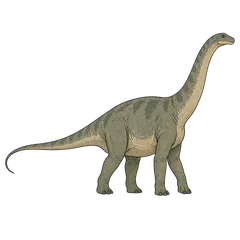
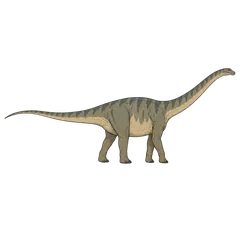
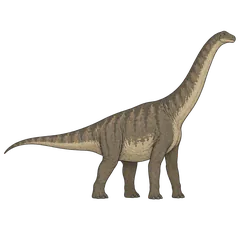
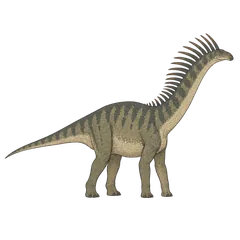
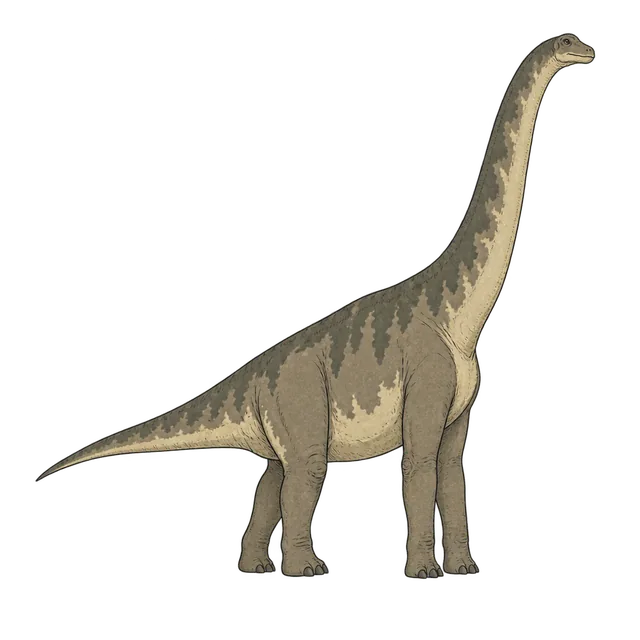
Brachiosaurus means “arm lizard”, after its front legs, which were longer than its hind legs. Combined with a long neck rising from high shoulders, that gave it a giraffe-like silhouette and a feeding height commonly estimated at around 9 metres or more. Length was roughly 18–22 metres, and mass estimates range widely, from about 30 to over 50 tonnes.
Hollow, air-filled vertebrae – linked to a bird-like system of air sacs – kept the neck lighter than it looks and made breathing efficient for such a huge animal.
Which Brachiosaurus?
Elmer Riggs named Brachiosaurus altithorax in 1903 from a partial skeleton found near Grand Junction, Colorado, in the Late Jurassic Morrison Formation, about 154 million years old. For most of the 20th century, superb skeletons from Tendaguru in Tanzania – including the towering mount in Berlin’s Museum für Naturkunde – were also called Brachiosaurus.
Since a detailed 2009 comparison, most palaeontologists place the African animal in its own genus, Giraffatitan. The real Brachiosaurus is therefore known from fewer, less complete bones, and many classic images actually show its African cousin.
A day in the canopy
Your life would be one long meal: a sauropod this size had to process enormous amounts of fibrous plant matter, swallowing it with little chewing and leaving the digestion to fermentation in a vast gut. Adults were too big for even Allosaurus to tackle easily, so the riskiest time was youth – sauropods hatched from eggs as small, vulnerable animals and grew fast.
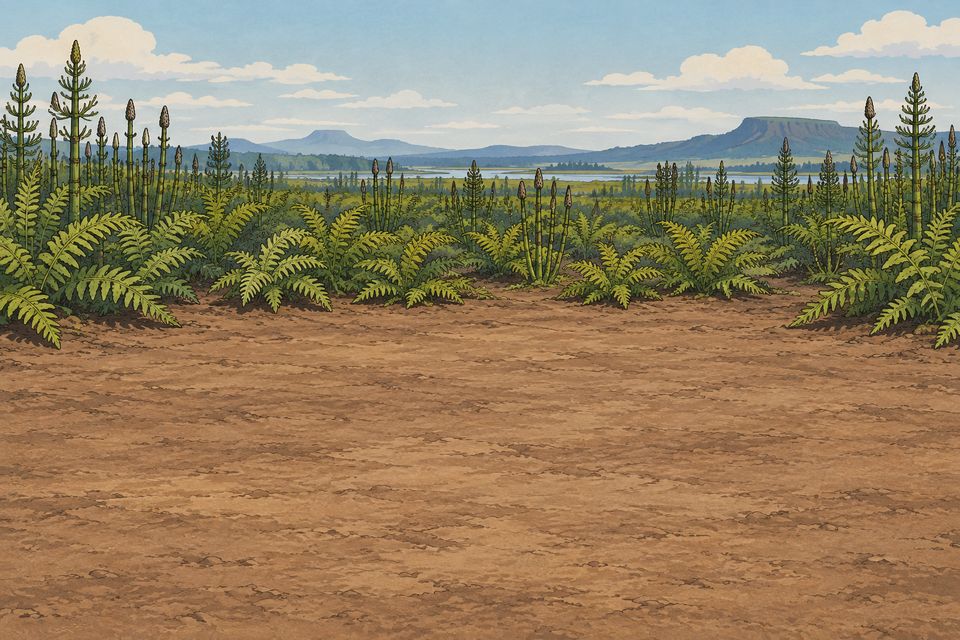
Your neighbours on the Morrison floodplains would include Diplodocus, Camarasaurus and Stegosaurus, each feeding at a different height. That vertical division of the menu – some species browsing low, others high – is one reason so many giant plant-eaters could share one landscape.