Schoolteacher
As a 20th-century teacher you would face forty children, a blackboard and a piece of chalk – and be expected to shape not only their minds but often their politics too.
School for everyone
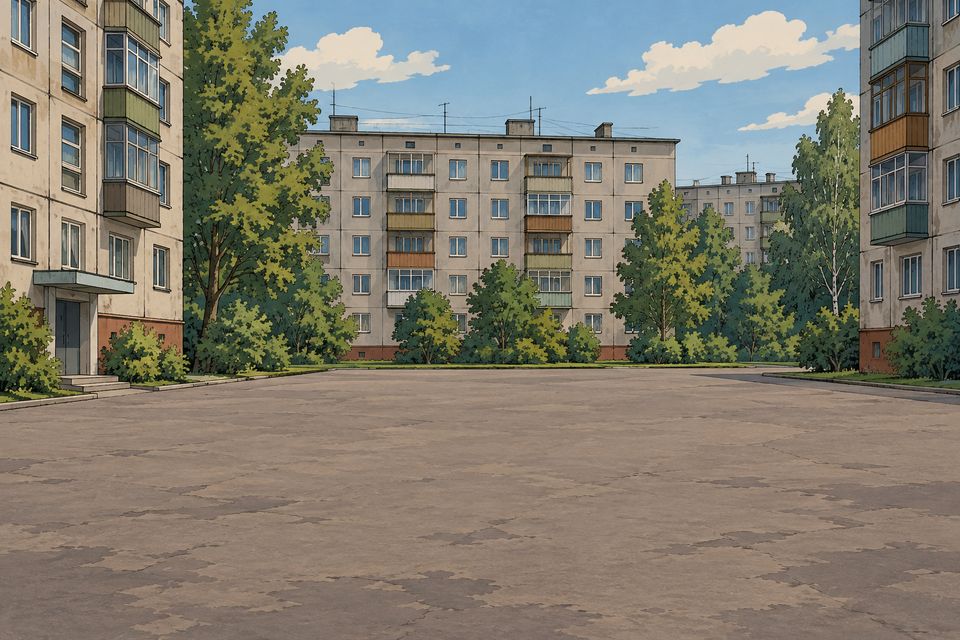
The 20th century made mass schooling the norm. Compulsory primary education spread across Europe, and newly independent Poland introduced compulsory schooling for children aged 7 to 14 in 1919, then had to build schools and train teachers almost from scratch after partition-era systems in three languages. Classes were large, often 40 or more pupils, and in rural areas a single teacher might teach several grades in one room. Literacy campaigns were a major task: in interwar Poland a large share of adults, especially in the eastern countryside, could not read, and teachers also ran evening courses for them. After 1945 the communist authorities launched a mass campaign against illiteracy.
Chalk, ink and discipline
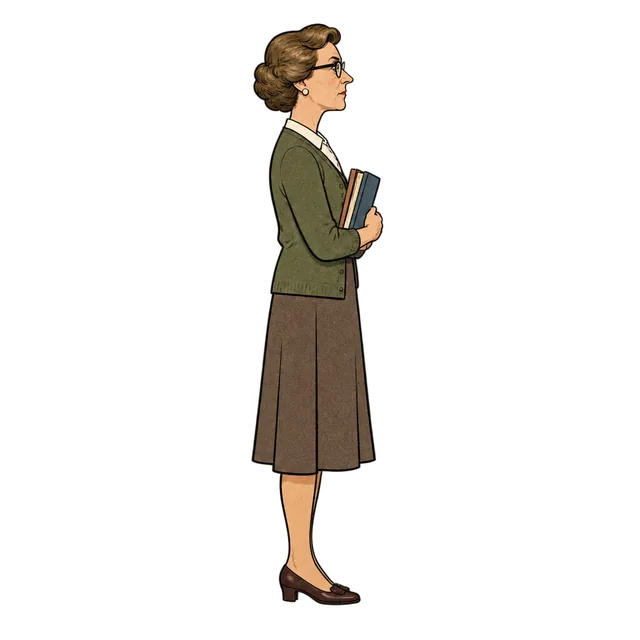
Classroom tools changed slowly: blackboards and chalk, slates in early decades, then exercise books and dip pens with inkwells, later ballpoints. Teaching relied heavily on memorisation, recitation and dictation, and physical punishment remained common in many countries well into the century. Teachers also marked endless exercise books in the evenings, ran school ceremonies and, in villages, were often among the few educated people, acting as advisers, organisers of reading rooms and choirs. The figure of the devoted village schoolmistress became a fixture of Polish literature.
Teaching under pressure
Teachers were on the front line of history. During the German occupation of 1939–1945, secondary and higher education for Poles was banned, and thousands of teachers organised secret classes, known as tajne komplety, at great personal risk; many teachers were murdered or sent to camps. Under communism, schools were expected to promote the official ideology, and teachers who resisted could lose their jobs.
Throughout, the profession was respected but modestly paid, and it became increasingly female. A Polish law of 1982, the Karta Nauczyciela, still regulates teachers’ employment today.