Steelworker
As a steelworker you would work beside rivers of molten metal at well over 1,000 °C, where a moment’s inattention could cost a life.
Fire and iron
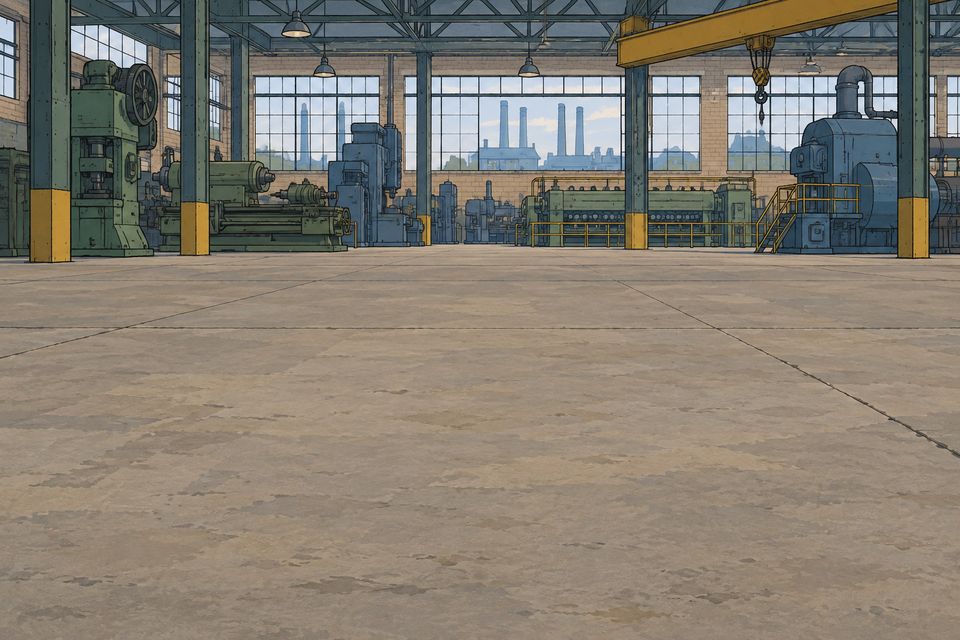
Steel was the backbone of the 20th century’s railways, ships, cars, buildings and weapons. In an integrated steelworks, iron ore, coke and limestone were fed into blast furnaces to produce molten pig iron, which was then turned into steel – for much of the century in open-hearth furnaces, and from the 1950s increasingly in basic oxygen converters, which could convert a charge in under an hour. Molten steel was cast into ingots or, later, continuously cast and rolled into plates, rails and sheets.
On the shop floor
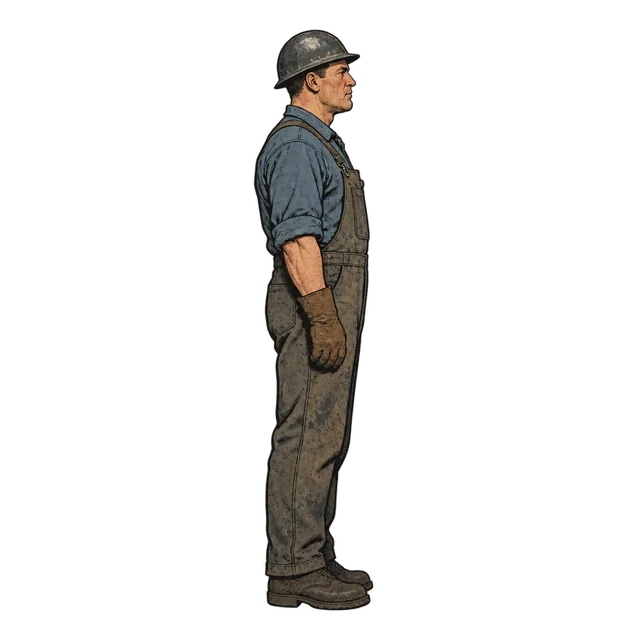
Work ran around the clock in shifts, because blast furnaces cannot simply be switched off. Steelworkers tapped furnaces, operated cranes and rolling mills and handled red-hot metal. Protective gear evolved from simple felt hats and goggles to heat-resistant suits, but burns, splashes of molten metal, gas poisoning, noise and heavy lifting remained hazards. The heat was so intense that workers drank large amounts of water and salted drinks to avoid exhaustion. Steelworkers often came from families of steelworkers, and the plant provided housing, clinics, holidays and sports clubs.
Nowa Huta and after
In communist Poland steelworkers were held up as model citizens. The Lenin Steelworks at Nowa Huta near Kraków, begun in 1949, was built together with a new planned town for its workers and became a symbol of socialist industrialisation. Ironically, Nowa Huta’s workers also became a stronghold of Solidarity and protest in the 1980s.
From the 1970s in the West and from the 1990s in Poland, steel employment shrank as plants modernised or closed and production moved to other countries. Whole towns built around steel had to reinvent themselves. Many former mills have since been turned into museums, parks or cultural centres.