Fisherman
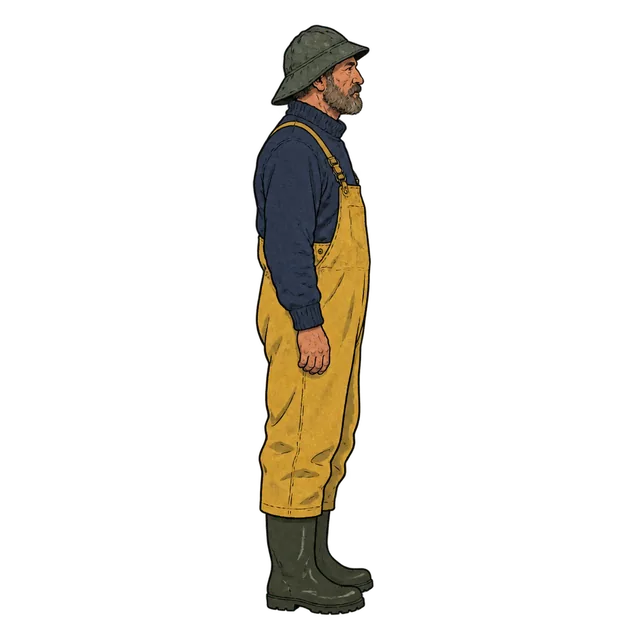
As a 20th-century fisherman you would rise before dawn, read the sky like a newspaper and know that the sea paid your bills – and sometimes took your friends.
From oar to engine
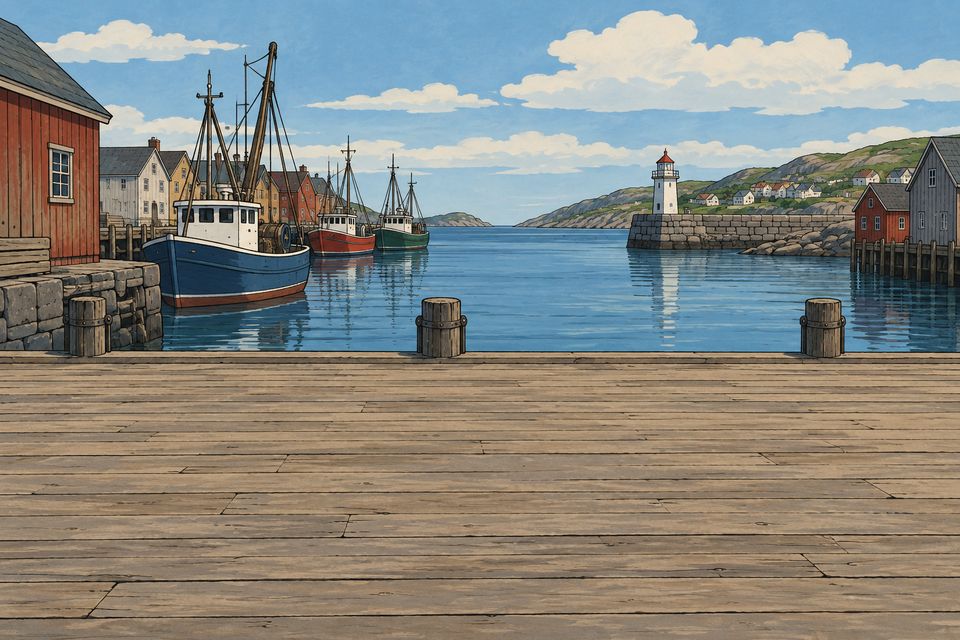
At the start of the century many coastal fishermen still worked from small open boats with sails and oars, setting nets and longlines close to shore. Engines spread from the 1900s–1920s, allowing boats to go farther and stay out longer. After the Second World War, industrial fishing took off: steel trawlers, echo sounders to find shoals, nylon nets that did not rot, and factory ships that froze or processed fish at sea far from home, as far as the North Atlantic.
Baltic life
On Poland’s short coastline, fishing communities such as those on the Hel Peninsula and in Kashubian villages had deep traditions. Fishermen caught herring, cod, sprat, flounder, salmon and eel, often working in family crews and sharing the catch by custom. Boats were hauled up on the beach in many villages, and women repaired nets, gutted and smoked fish and sold it at markets. After 1945, state fishing enterprises in Gdynia, Świnoujście and Kołobrzeg sent deep-sea trawlers to distant waters.
Storms and empty nets
Fishing has long been one of the deadliest civilian jobs. Storms, ice, capsizing and accidents with winches and nets claimed lives, and fishing families lived with that risk. Coastal churches and monuments to those lost at sea are a familiar sight.
By the late 20th century overfishing had become the great challenge. The collapse of the northern cod off Newfoundland, which led Canada to impose a moratorium in 1992, became a global warning. Baltic cod stocks also declined sharply, and quotas, closures and the shrinking of fleets changed the lives of coastal communities.