Fighter pilot
As a fighter pilot you would sit alone in a cramped cockpit, freezing at altitude, pulling turns that drained the blood from your head – and you might be barely twenty.
From canvas to jet
Fighter aviation was born in the First World War. Early planes were wood-and-fabric biplanes reaching speeds of around 150–200 km/h, and pilots flew without parachutes in open cockpits. By the Second World War fighters such as the Spitfire, Messerschmitt Bf 109 and P-51 Mustang were all-metal monoplanes capable of roughly 600–700 km/h. The first operational jets, such as the Messerschmitt Me 262, appeared in 1944, and by the 1950s supersonic flight was routine. Cockpits gained radios, armour plate behind the seat and, eventually, ejection seats.
What the body goes through
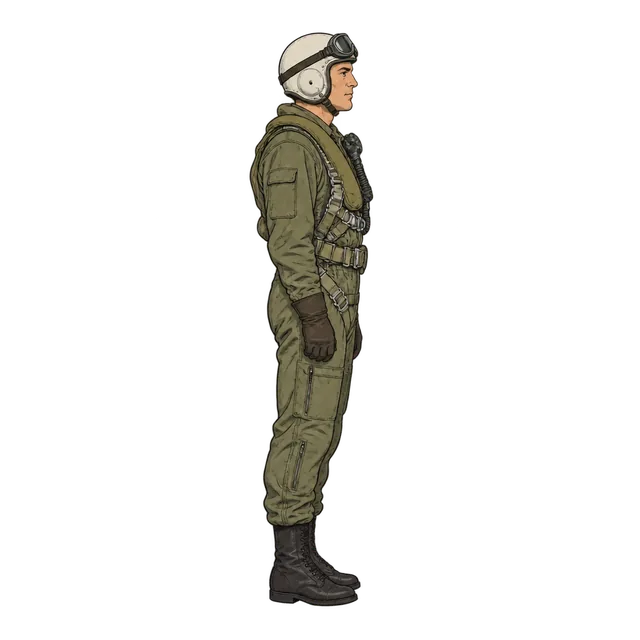
Tight turns create g-forces that push blood away from the brain; at several g a pilot’s vision narrows and greys, and beyond that he can lose consciousness. Altitude brought cold and lack of oxygen, so pilots relied on oxygen masks and heavy clothing. Combat was brief, chaotic and lethal: many victories were scored by pilots who attacked unseen from above or out of the sun. Fatigue, fear and the loss of friends weighed heavily, and many pilots died in training accidents rather than in combat.
The Poles of 303
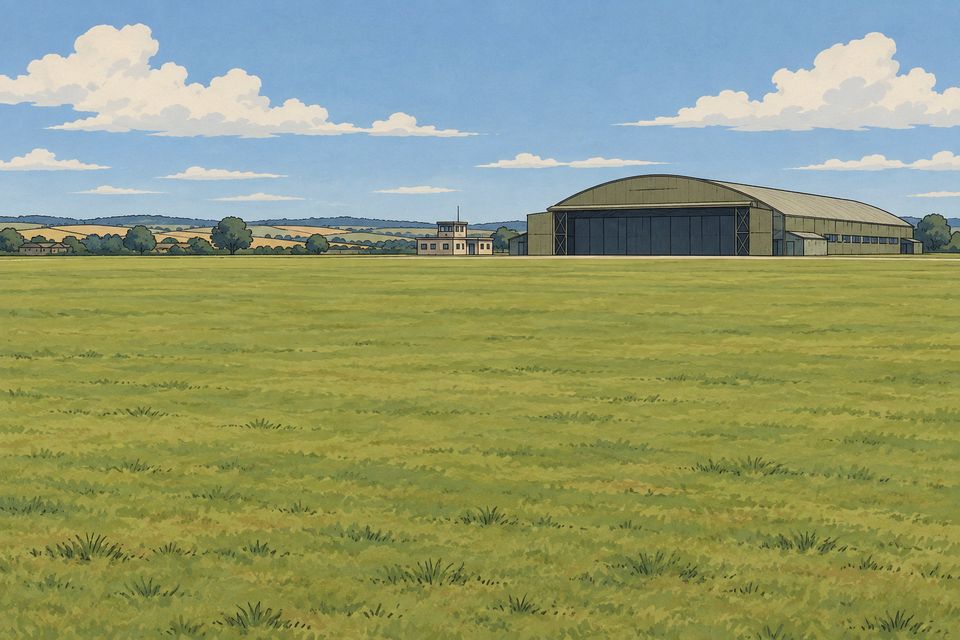
During the Battle of Britain in 1940, No. 303 (Polish) Squadron, flying Hurricanes from RAF Northolt, became one of the highest-scoring RAF squadrons of the battle, credited with around 126 enemy aircraft at the time – a figure later revised downward, as were most claims. Polish pilots had already fought in 1939 in outdated PZL P.11 fighters and escaped via Romania and France to keep fighting.
Their story also ended bitterly: after 1945 many could not safely return to communist Poland, and those who did often faced persecution.