Penguin
As a penguin you would be a bird that flies – only underwater, with wings turned into stiff flippers.
Which penguin, and where
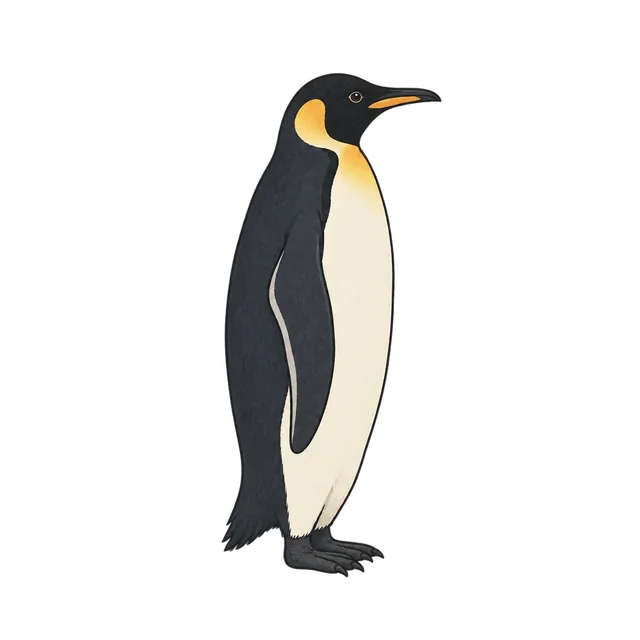
There are about 18 penguin species, all in the Southern Hemisphere, from Antarctica to the coasts of South America, southern Africa, Australia, New Zealand and the Galápagos, where a few cross the equator. Despite the game’s arctic label, no wild penguins live in the Arctic; their polar home is Antarctica. The emperor penguin is the largest, standing over a metre tall and weighing 20–40 kg, while the Adélie, the classic small black-and-white Antarctic penguin, weighs about 4–5 kg.
Your body would be built for the sea: dense bones that reduce buoyancy, densely packed feathers over a fat layer and a countercurrent heat exchange in your flippers and legs that limits heat loss. Your black back and white belly camouflage you from predators looking down or up through the water.
Diving for dinner
Penguins eat krill, fish and squid. Adélies feed mainly on krill near the surface; emperors can dive to more than 500 m and hold their breath for over 20 minutes. You would swallow salty water with your food and excrete the excess salt through glands above the eyes.
Ashore, life is crowded and noisy. Penguins breed in colonies that can number thousands to hundreds of thousands of pairs, and partners recognise each other by voice among the din. Adélies build nests of pebbles, which are often stolen from neighbours.
Cold, hunger and seals
Emperor penguins have the hardest routine: they breed in the Antarctic winter, with males incubating a single egg on their feet for about two months, huddling in temperatures that can fall below minus 40°C while females feed at sea. At sea, leopard seals and orcas hunt penguins; on land, skuas and giant petrels take eggs and chicks. Changes in sea ice linked to warming threaten emperor colonies. Penguins in the wild typically live 10–20 years, depending on species.