White stork
As a white stork you would spend summer clattering your bill on a nest atop a Polish barn – and autumn soaring thousands of kilometres to Africa without flapping much at all.
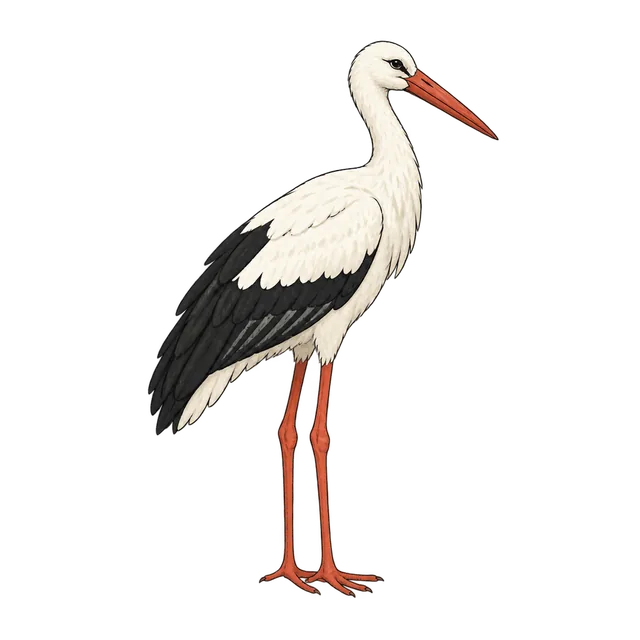
A bird that chose people
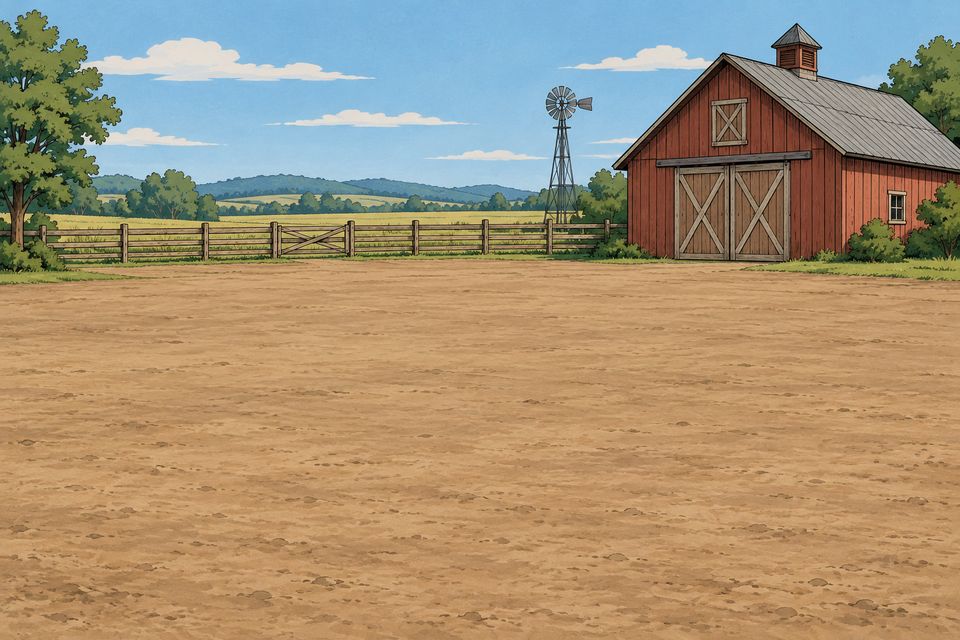
The white stork, Ciconia ciconia, breeds across Europe, North Africa and western Asia, and Poland hosts one of the largest breeding populations, estimated at around 40,000–50,000 pairs. You would stand about a metre tall, with a wingspan of about two metres, white plumage, black flight feathers and a red bill and legs. Storks nest on rooftops, chimneys, church towers and, increasingly, platforms on electricity poles, often returning to the same nest, which can grow over years to weigh hundreds of kilograms.
Adults are nearly voiceless. Instead you would greet your partner by throwing your head back and clattering your bill loudly, a display often heard across Polish villages in April.
Wet meadows and walking hunts
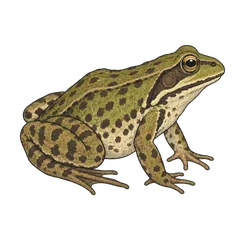
You hunt on foot, striding slowly through wet meadows, pastures and freshly mown or ploughed fields. Prey includes voles, frogs, earthworms, large insects such as grasshoppers and beetles, fish, snakes and lizards. Pairs usually lay three to five eggs, incubated by both parents for about a month, and chicks fledge after roughly two months. In dry years with little food, parents may throw weaker chicks out of the nest.
The long road south
In August, storks gather in flocks and set off for Africa. Because you rely on thermals – rising columns of warm air – for soaring flight, you avoid long sea crossings. Eastern European storks, including Polish ones, fly via the Bosphorus and the Middle East to East and southern Africa, a journey that can exceed 10,000 km one way; western populations cross at Gibraltar. Hazards include power lines, hunting, drought and pesticides. Wild storks can live over 20 years, though many die in their first year. In 1822 a stork shot in Germany carried an African arrow in its neck, early proof of where storks spend winter.