Factory worker
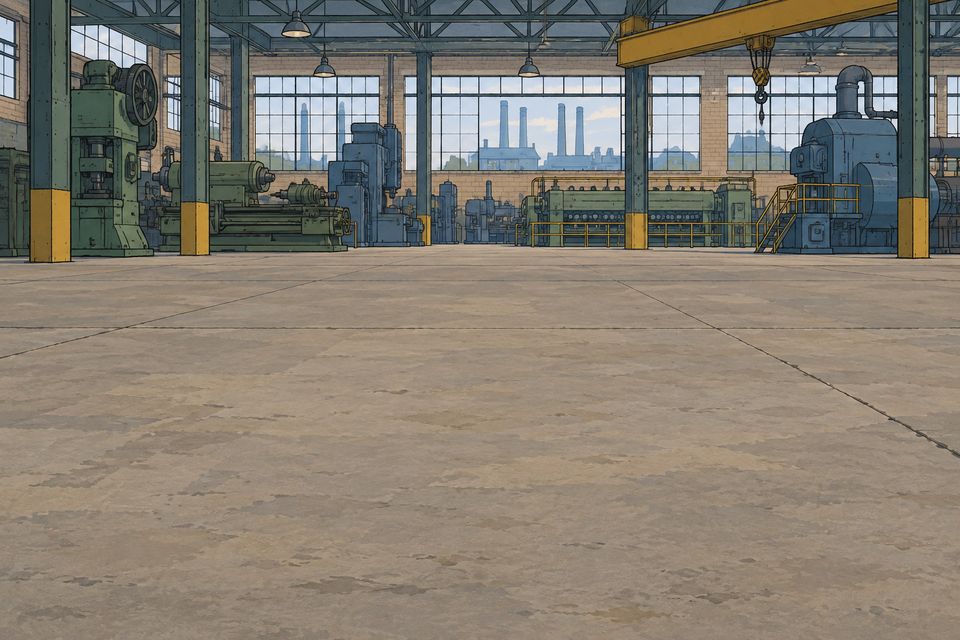
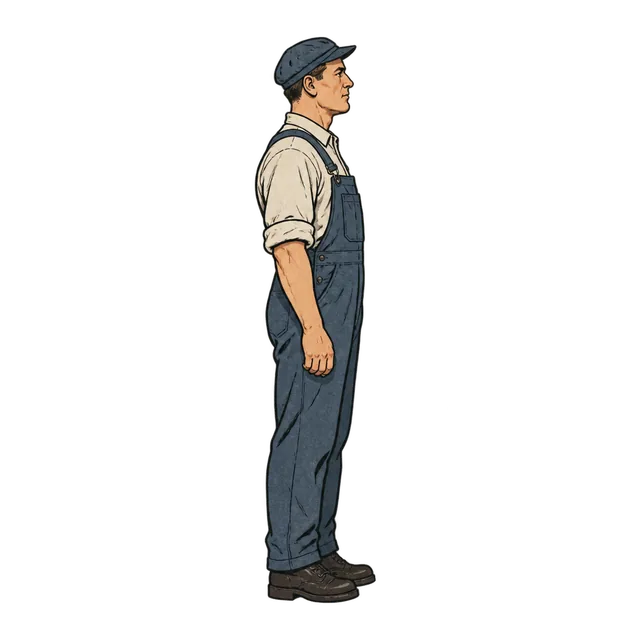
As a 20th-century factory worker you would clock in at the gate, take your place on the line and repeat the same motions thousands of times before the shift whistle blew.
The assembly line
In 1913 Henry Ford introduced the moving assembly line for the Model T, cutting the time to build a car chassis from around 12 hours to about 1.5. The idea spread across industries: each worker performed a narrow, repeated task while the product moved past. It made goods cheaper and wages often higher – Ford’s famous five-dollar day in 1914 roughly doubled typical pay – but the work could be monotonous, exhausting and tightly timed by supervisors.
Hours, safety and unions
At the start of the century a working week of 60 hours or more was common. Unions and strikes, and later labour laws, pushed it down; the eight-hour day spread after the First World War, and Poland adopted it by law in 1918–1919. Factory hazards included machinery that could crush or sever limbs, noise, chemicals and dust, and safety regulation improved only gradually. Many workers lived in company or workers’ housing near the plant, and the factory shaped family life, sport and holidays.
Workers’ state, workers’ protest
Communist Poland officially celebrated the industrial worker, building giant plants such as the Nowa Huta steelworks and the Ursus tractor factory. Reality included shortages, low wages and political control, and workers repeatedly rose up: in Poznań in 1956, on the coast in 1970, at Radom and Ursus in 1976. In August 1980 strikes at the Gdańsk Shipyard and elsewhere led to the August Agreements and the birth of Solidarity, a trade union that grew to about 10 million members. Workers thus helped bring down a regime that ruled in their name.