Celtic warrior
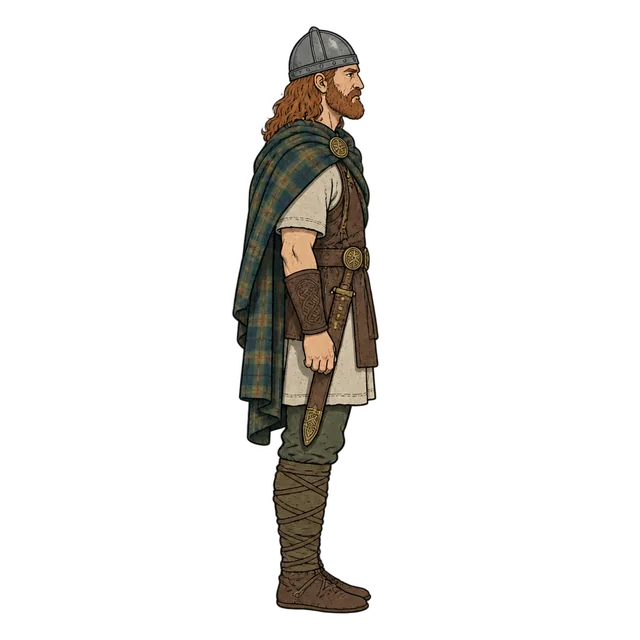
As a Celtic warrior you would win status the old-fashioned way – by raiding, boasting and fighting well – in a world of hillforts, feasting halls and some of the finest metalwork in Iron Age Europe.
Who the Celts were
“Celts” is a broad label for Iron Age peoples across much of Europe – from Gaul and Britain to central Europe and even Anatolia, where the Galatians settled – who shared related languages and the art style archaeologists call La Tène, after a site in Switzerland. They were never one nation; they lived in many rival tribes, each led by an aristocracy of warriors and advised by druids.
Most of what we read about them was written by enemies, chiefly Greeks and Romans, so their descriptions of wild, half-naked warriors should be taken with caution. Archaeology fills in the rest: weapons, chariot burials, and fortified hilltop settlements called oppida.
Weapons and the art of looking terrifying
A well-off warrior carried a long iron sword, spears and a tall oval or rectangular shield, and might wear a helmet or mail. The Celts are often credited with inventing mail armour. Battle involved display as much as tactics: trumpets such as the boar-headed carnyx, war cries and, according to classical writers, hair stiffened with lime.
Warrior life also revolved around feasts, where the best cut of meat, the hero’s portion, could be fought over. Classical writers also claimed that the heads of slain enemies were kept as trophies, and archaeological finds from southern France support this practice.
Highs and lows
Celtic war bands were feared across the ancient world. Around 390 BCE Gauls under Brennus sacked Rome, and in 279 BCE another group raided Delphi in Greece. The tide later turned: between 58 and 50 BCE Julius Caesar conquered Gaul, a campaign that ancient sources say killed or enslaved huge numbers. Its symbol of resistance, Vercingetorix, surrendered at Alesia in 52 BCE.