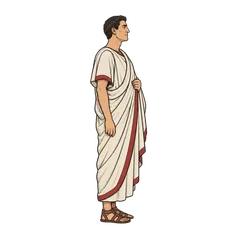
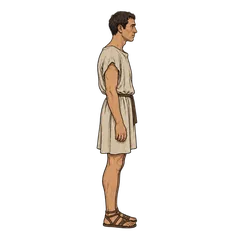
War captive
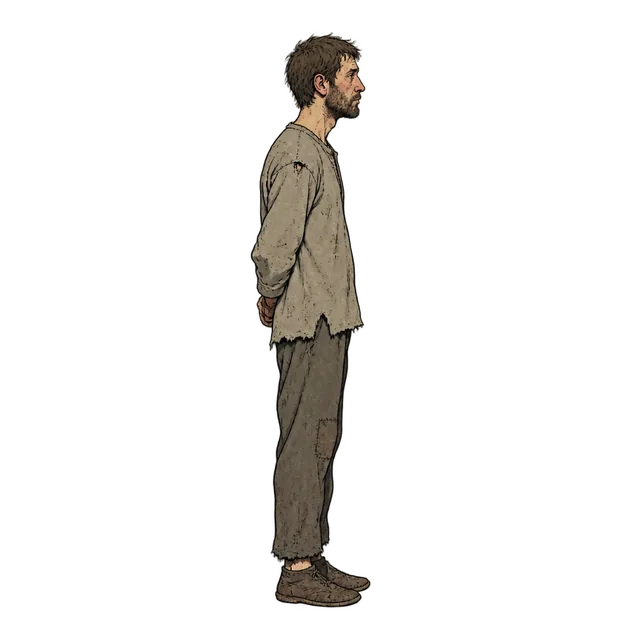
If you were reborn as a war captive in antiquity, your life would be decided in the hours after a city fell – by soldiers, dealers and a commander’s mood, not by anything you had done.
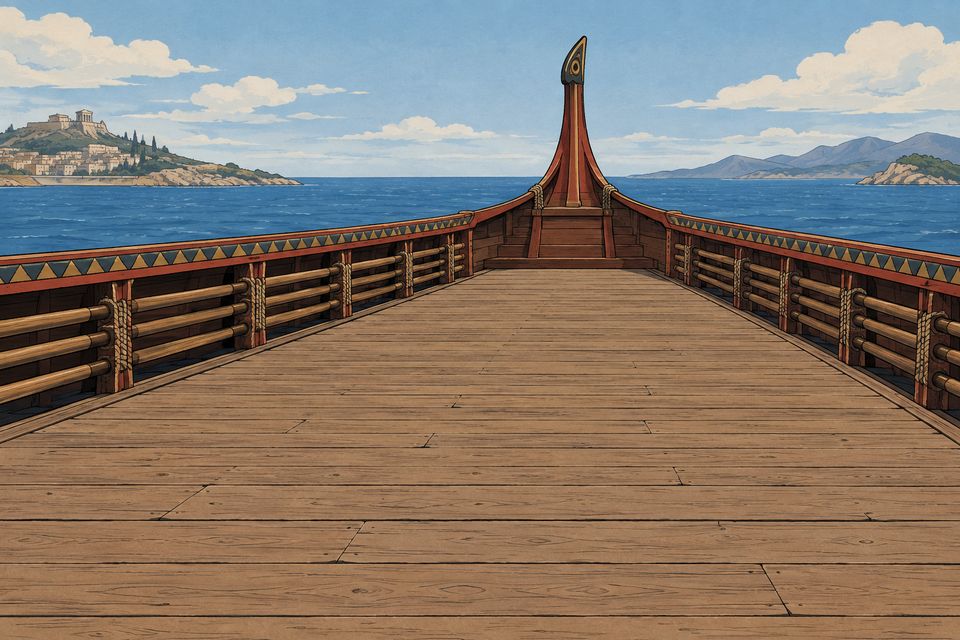
When the city fell
In ancient warfare, the people of a defeated community were often regarded as part of the spoils. Men of fighting age might be killed; women, children and surviving men were frequently enslaved. Thucydides records the Athenians doing this to Melos in 416 BCE. Rome did it on a massive scale: after the destruction of Carthage in 146 BCE, ancient sources report about 50,000 survivors sold into slavery, and in 167 BCE some 150,000 people from Epirus were enslaved in a single campaign.
Merchants followed armies to buy captives cheaply and resell them, chained together, at markets such as the busy slave market on the island of Delos.
Possible fates
Your future depended on luck, skills and who bought you. Some captives were ransomed by family or their home city; Greek warfare had customs for exchanging prisoners. Others went to mines, quarries or farms, where conditions were harshest. Skilled or educated people could end up as household workers, craftsmen or teachers. Some were made to fight in the arena or appeared in the mass executions staged there.
Families were routinely separated, and captives lost their names, language communities and legal identity in a single stroke.
Paraded through Rome
Prominent prisoners could be kept for a Roman triumph, the victory procession of a general through the city. Kings and chiefs walked in chains before the victor’s chariot; some were executed afterwards in the Tullianum prison, as the Gallic leader Vercingetorix was in 46 BCE, six years after his surrender. Others were spared: the British chieftain Caratacus, captured in 51 CE, gave a speech before Emperor Claudius and was pardoned with his family.