Grey wolf
As a grey wolf you would belong to a family rather than a gang – and walk distances in a single night that would exhaust a marathon runner.
The pack is a family
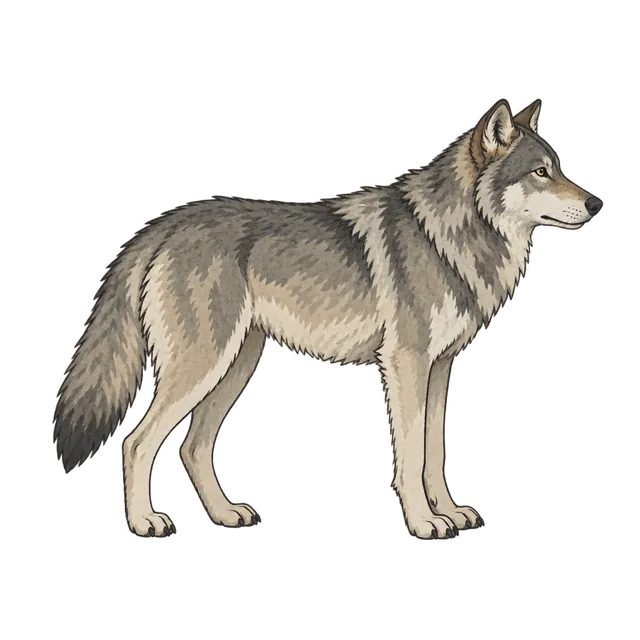
The grey wolf, Canis lupus, once ranged across most of the Northern Hemisphere. A typical pack is a breeding pair with their offspring from the last one to three years, often four to eight animals. The old idea of a constant battle for alpha status came mostly from studies of unrelated captive wolves; in the wild, the parents simply lead. You would weigh about 30–50 kg in central Europe, with long legs built for travel.
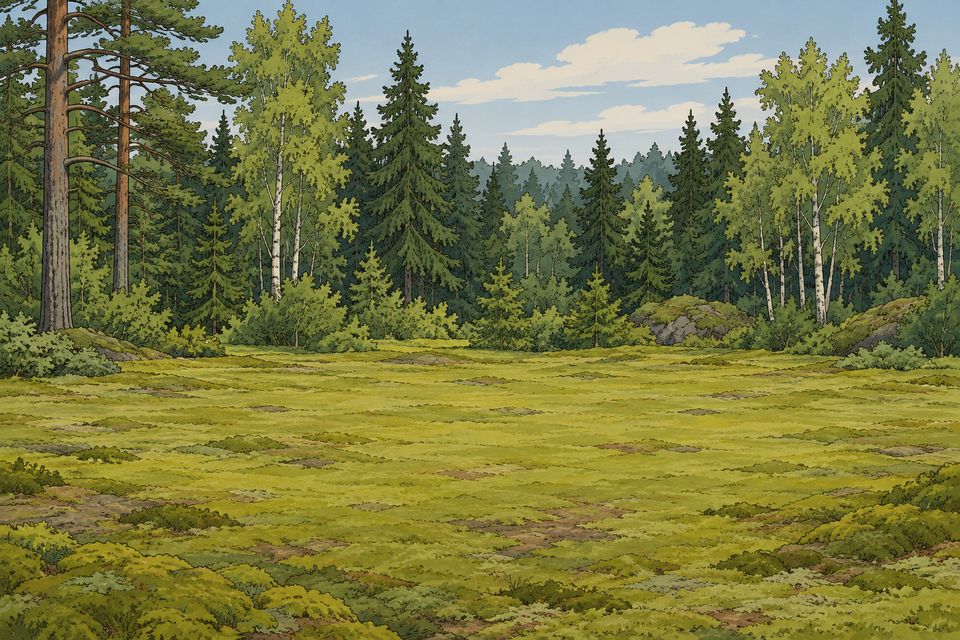
A pack defends a territory that in Poland usually covers around 150–300 km². You move through it at a tireless trot, often covering tens of kilometres a night, marking borders with urine and scrapes and howling to keep in touch with family members and warn off neighbours.
Hunting as a team
In European forests and mountains your main prey would be red deer, roe deer and wild boar. Wolves test herds, chasing to find weak, young or sick individuals; most hunts fail. When they succeed, a wolf can eat several kilograms of meat in one meal and then go days without food. Pups are born in spring in a den, usually four to six in a litter, and the whole family helps feed them by regurgitating meat.
At one or two years old many young wolves disperse, sometimes travelling hundreds of kilometres to find a mate and found their own pack.
Persecution and return
For centuries wolves were hunted, trapped and poisoned across Europe and wiped out from many countries. In Poland they have been strictly protected nationwide since 1998, and numbers have grown to several thousand, recolonising western Poland and spreading into Germany. Wild wolves typically live four to six years; vehicle collisions, illegal killing, fights with other packs and mange are common causes of death.