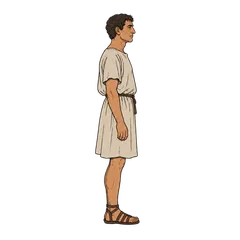
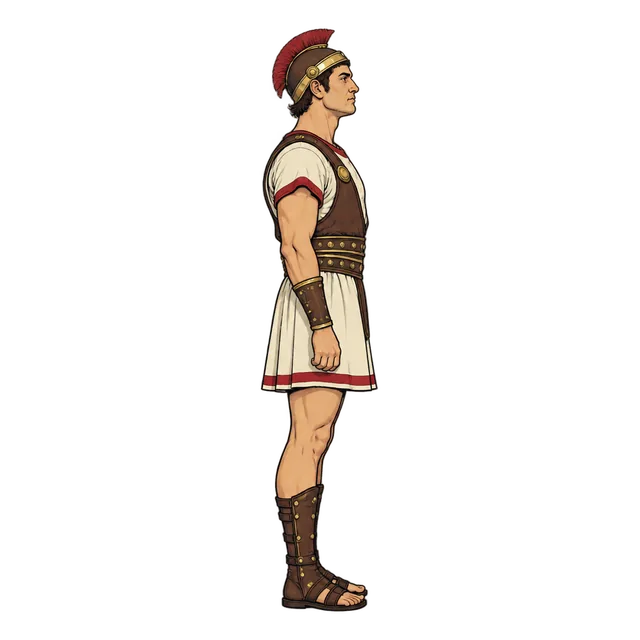
Roman charioteer
As a charioteer you would be the closest thing Rome had to a sports superstar – adored by fans, paid in fortunes, and only one bad turn away from being dragged to death by your own horses.
Teams, colours and fanatics
Chariot racing was Rome’s most popular spectator sport, far older and more frequent than gladiator games. Races were organised by four factions, known by their colours: the Reds, Whites, Blues and Greens. The factions owned the horses, stables and staff, and drivers could transfer between them like modern players.
Fans were fiercely loyal. Spectators placed bets, shouted insults and wrote curse tablets asking gods to cripple rival drivers and horses; many such lead tablets have been found. In later Constantinople, the Blues and Greens became political forces, and their rioting in the Nika revolt of 532 CE nearly toppled Emperor Justinian.
Seven laps of chaos
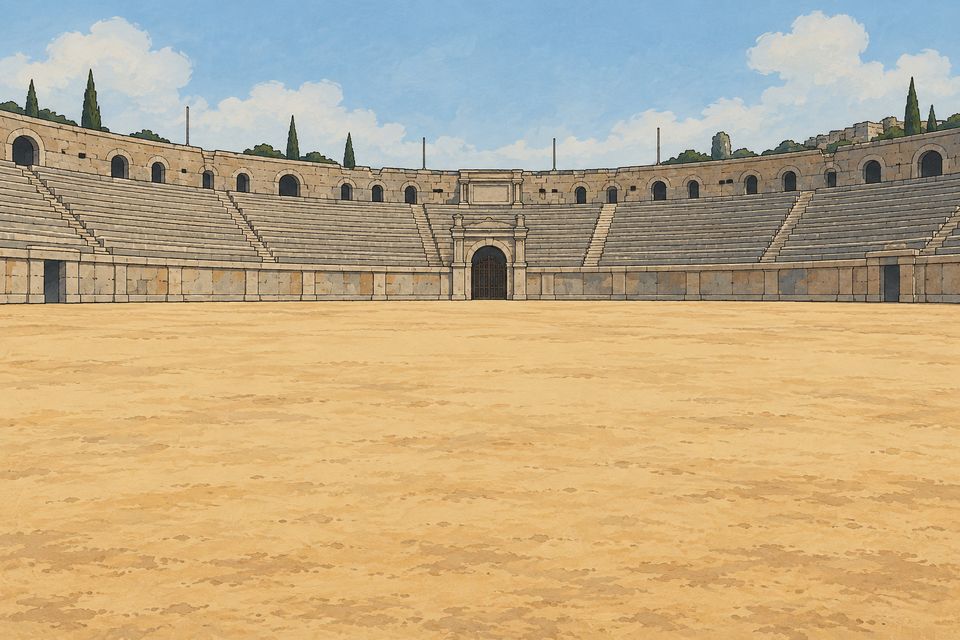
The main venue, the Circus Maximus, was about 600 metres long and could hold well over 100,000 spectators, perhaps around 150,000 at its peak. A standard race was seven laps around the central barrier, the spina, with the most common chariot being the four-horse quadriga.
Unlike Greek drivers, Roman charioteers tied the reins around their waists, steering with their body weight. It gave more control but was lethal in a crash, which is why drivers carried a curved knife to cut themselves free. The tight turns at each end of the track, where collisions were frequent, were the most dangerous point.
Fame, money and early graves
Most drivers started as slaves or low-status men, but success could make them rich. The best-documented star, Gaius Appuleius Diocles, a Lusitanian from the 2nd century CE, raced for 24 years; an inscription credits him with 1,462 wins in 4,257 races and prize winnings of over 35 million sesterces. Others were less lucky: the driver Scorpus, celebrated by the poet Martial, died at 26 with over 2,000 victories.